Bac Ha Town and Bac Ha Market
Bac Ha Town and Bac Ha Market: Lao Cai’s Sunday Gathering
Bac Ha sits 70 kilometers northeast of Lao Cai city in the highlands near the Chinese border. This small district town would be entirely unremarkable except for one weekly event: the Sunday market, where ethnic minorities (primarily Flower Hmong, but also Tay, Dao, Phu La, and others) gather to trade livestock, produce, textiles, and goods. It’s one of northern Vietnam’s largest and most authentic highland markets, drawing both locals conducting genuine commerce and tourists seeking cultural experiences.
Understanding the difference between what’s real and what’s performed at Bac Ha matters before you visit.
The Sunday Market
The market operates every Sunday from roughly 6:00 AM until early afternoon, peaking between 7:00-10:00 AM. It sprawls across several sections of town: livestock area, produce section, textile stalls, food vendors, and general goods.
What’s Authentic:
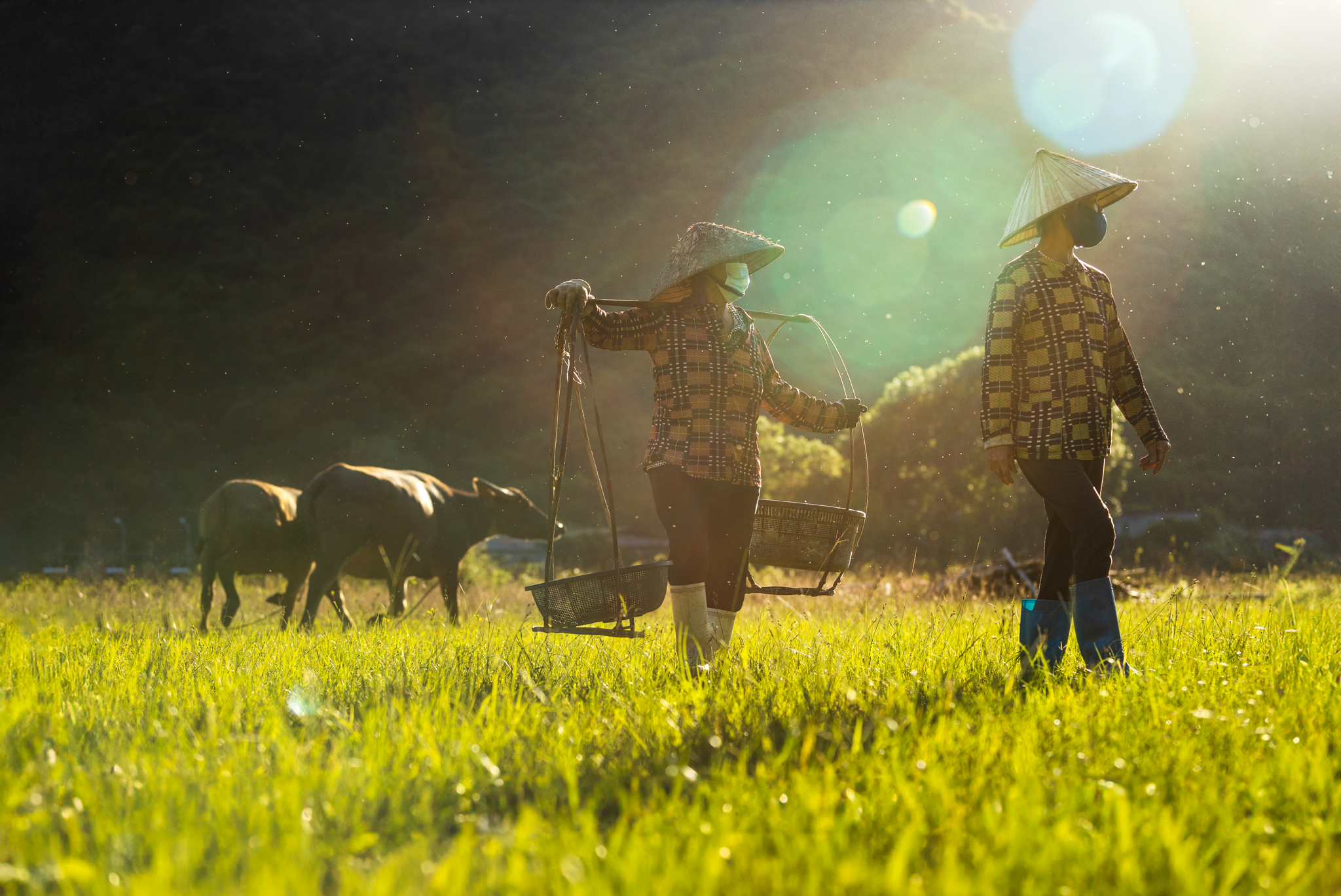
The livestock trading is completely genuine. This is serious business. Hmong and other minority farmers bring buffalo, horses, pigs, chickens, and dogs to sell. Buyers examine animals carefully, negotiate prices, and conduct cash transactions. The livestock section is muddy, smelly, and chaotic. Men in traditional dress stand in groups discussing prices. The trading happens whether tourists are present or not.
The produce section serves local needs: vegetables, fruits, rice, corn, and forest products. Women sell what they’ve grown or gathered. Buyers purchase supplies for the coming week. This is functional commerce.
The food stalls serve locals: pho, thit lon (grilled pork), banh mi, and local specialties. Minority groups sit on small stools eating breakfast before continuing shopping.
What’s Tourism-Influenced:
The textile and handicraft section has expanded significantly to serve tourist demand. Many stalls now sell embroidered bags, traditional clothing, jewelry, and souvenirs specifically aimed at visitors. The items are often genuine Hmong handiwork, but the scale of production and display is shaped by tourism.
Some women in elaborate traditional dress position themselves in photogenic locations, expecting payment for photos. This isn’t necessarily fake (Flower Hmong women do wear colorful traditional dress), but it’s performance for tourism.
The balance at Bac Ha remains reasonable. The market still functions primarily for locals, with tourism as significant but secondary. Compare this to some markets that have become entirely tourist-oriented.
The Flower Hmong
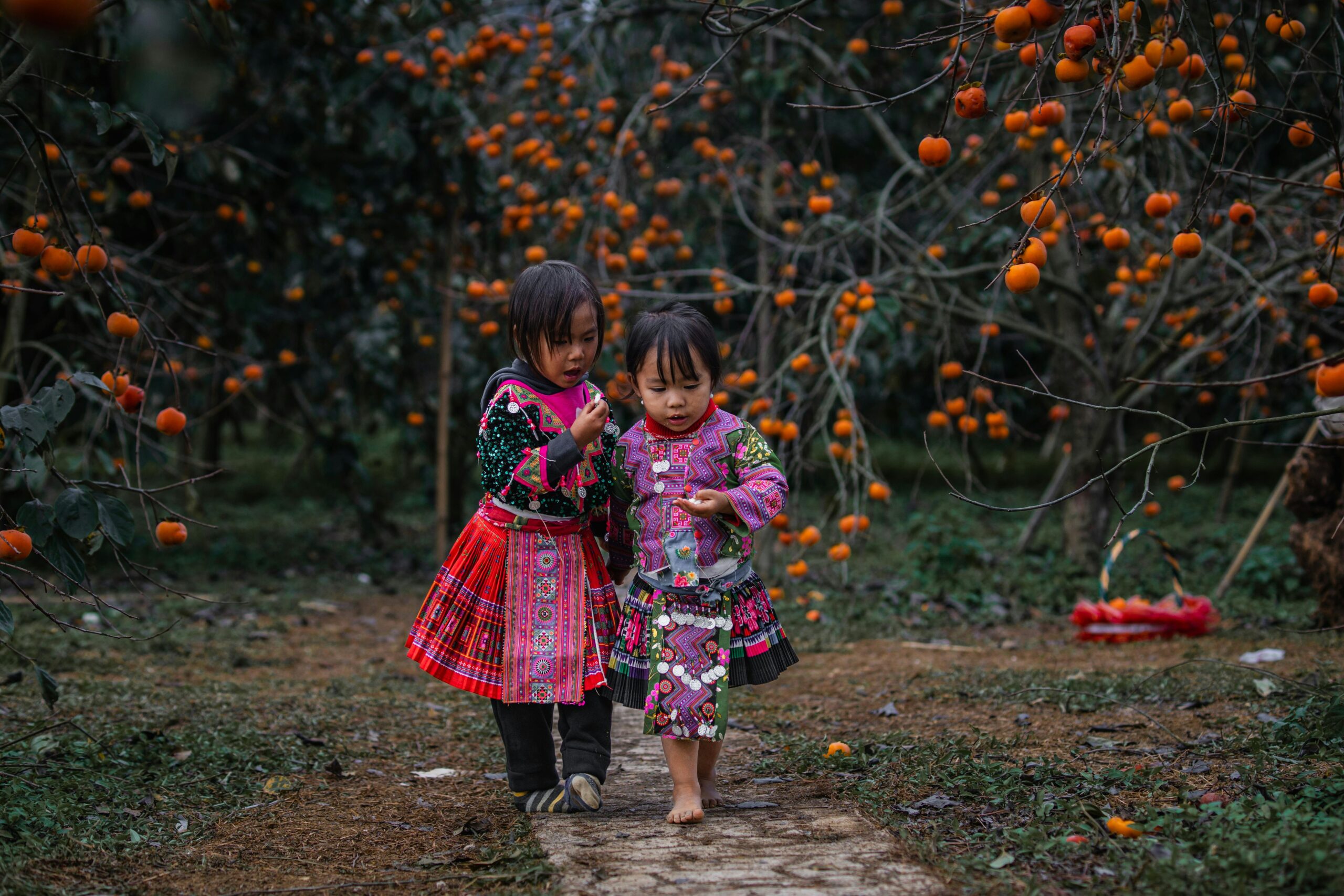
Bac Ha’s dominant ethnic group is the Flower Hmong, named for the brightly colored embroidered clothing women wear. Their traditional dress is spectacular: indigo-dyed cloth with elaborate floral embroidery in pink, red, yellow, and green, paired with distinctive headdresses.
The clothing is genuine traditional dress, not costume. Women make their own clothing, hand-embroidering designs that can take months to complete. The patterns identify family groups and show individual artistry.
Tourism has complicated this. Some younger Hmong women have stopped wearing traditional dress daily, reserving it for market days when tourists pay for photos. Others continue wearing it regardless of tourism. The situation is nuanced.
Photographing people requires sensitivity. Always ask permission.
Other Markets in the Area
Bac Ha district hosts several smaller markets on other days. These see far fewer tourists and show even more authentic trading.
Can Cau Market (Saturday): 20 kilometers north of Bac Ha near the Chinese border. Smaller than Bac Ha’s Sunday market but more authentic, with virtually all attendees being minority groups conducting actual trading. The setting against mountains is photogenic. Arriving early (before 7:00 AM) is critical.
Coc Ly Market (Tuesday): 35 kilometers southwest of Bac Ha. Small, colorful, and genuine. The Flower Hmong, Tay, Nung, and Dao people all attend. It’s held on a riverbank, creating scenic conditions. The market is compact, manageable for photography, and feels intimate compared to Bac Ha’s sprawl.
Visiting these smaller markets requires private transport (motorbike or hired car) and early starts. They’re not accessible by public transport or standard tours.
Bac Ha Town
Outside market day, Bac Ha is quiet. The town exists primarily to serve the surrounding agricultural communities. A few hotels, restaurants, and shops line the main roads, but there’s minimal activity.
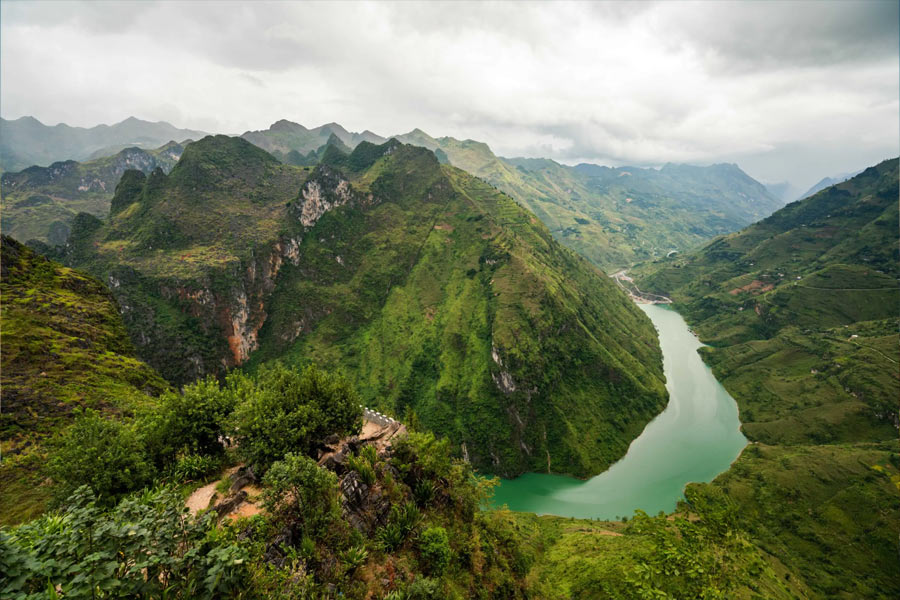
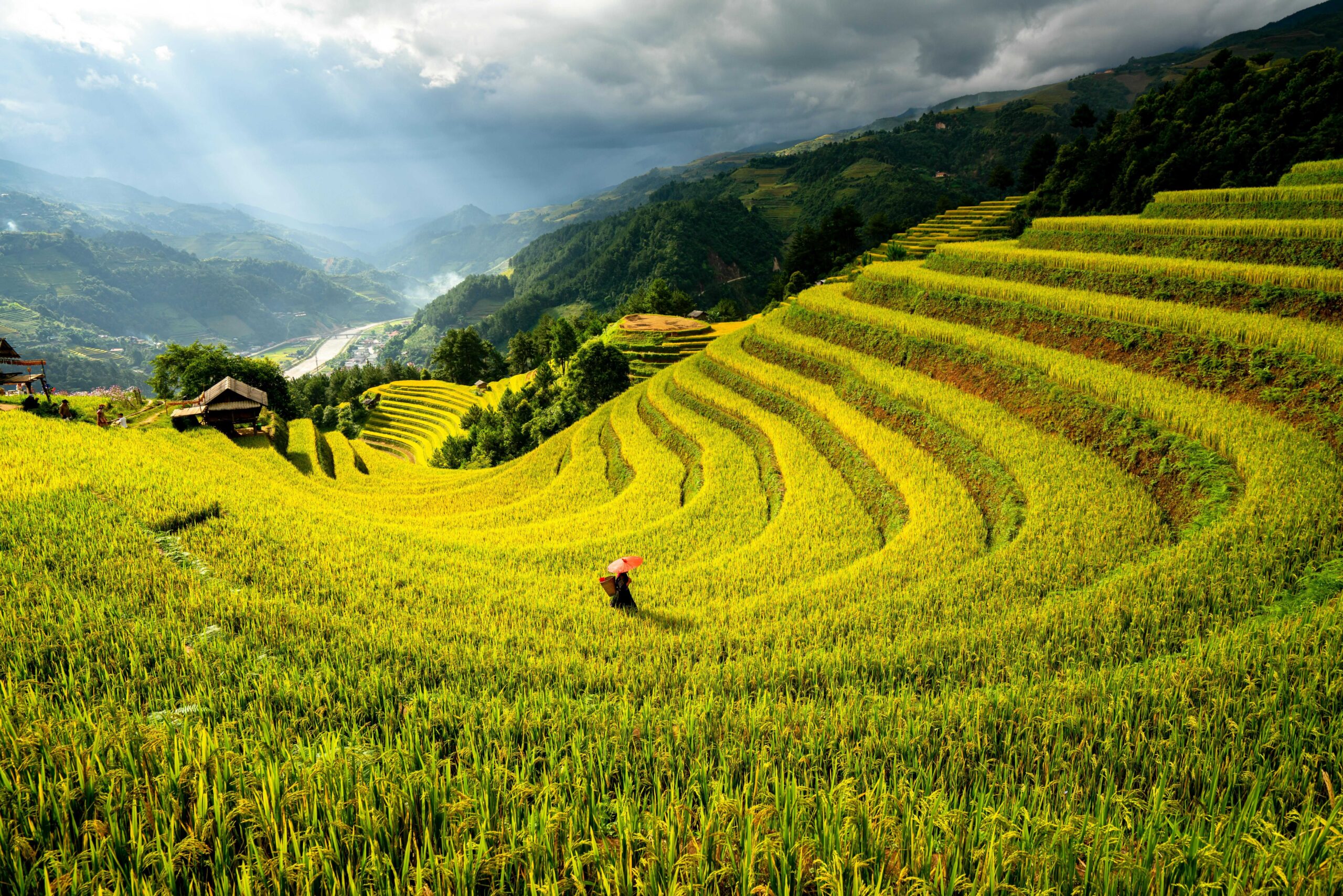
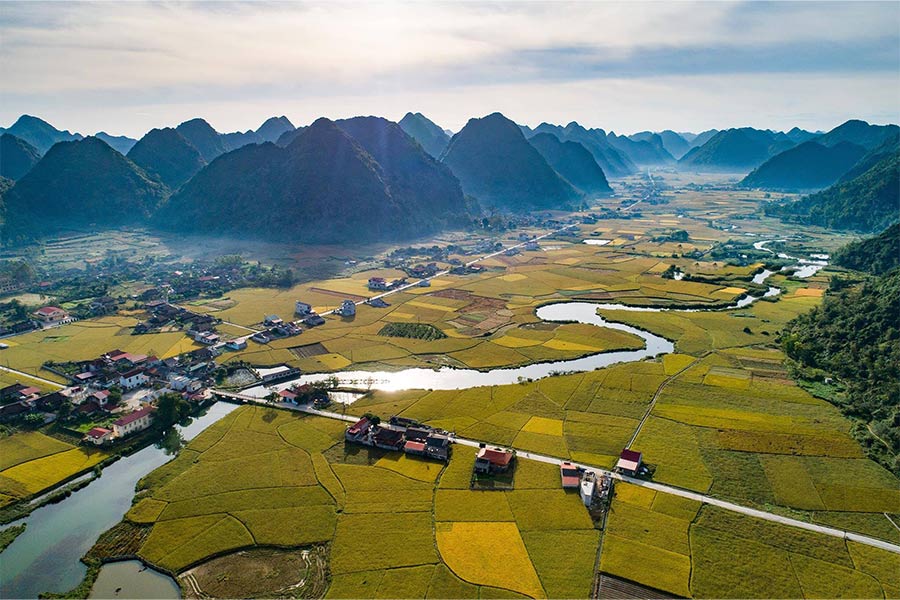
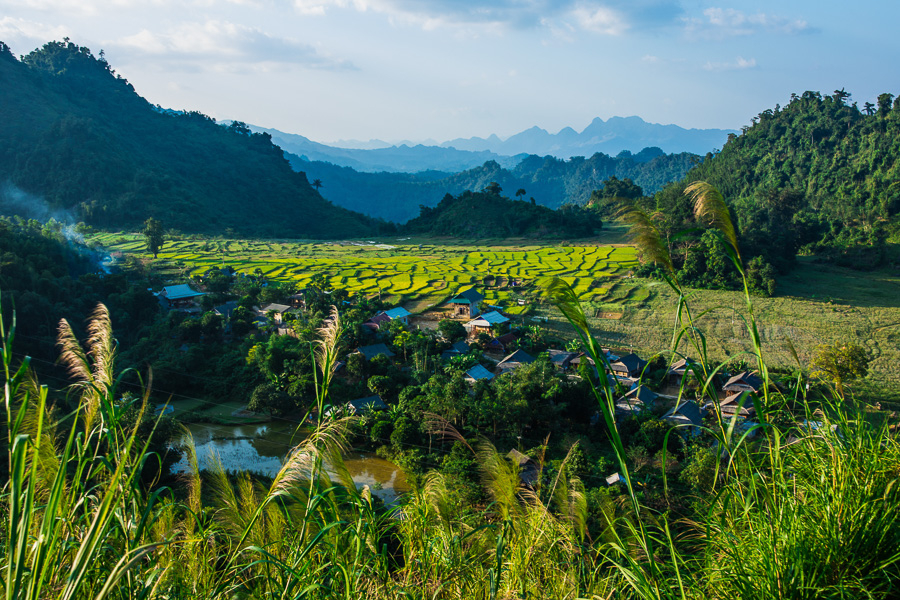
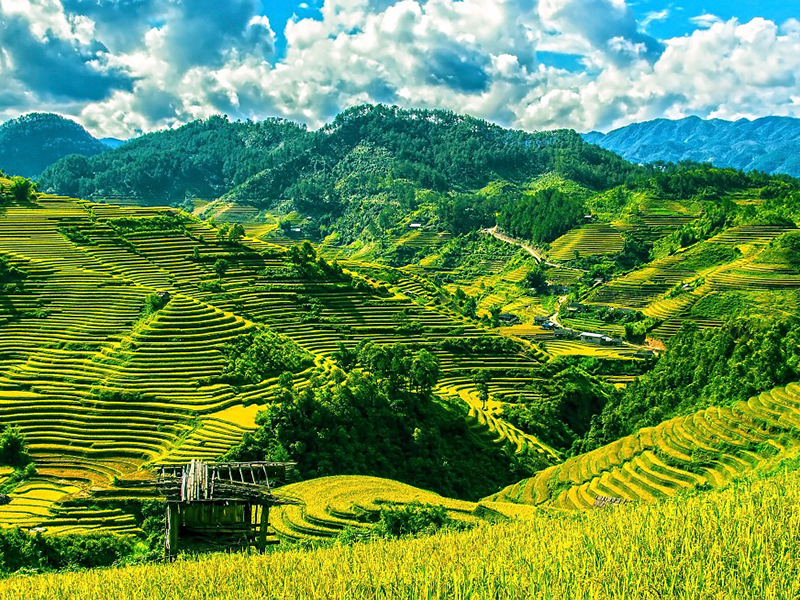
The setting is pleasant: terraced rice fields surround the town, mountains rise in all directions, and the air is noticeably cooler than lowland areas.
Bac Ha Palace (Hoang A Tuong Palace) sits on a hill overlooking town. Built in the 1920s by a Hmong king who controlled local opium trade, the mansion blends Chinese, French, and Vietnamese architectural elements. It’s now a museum showing the wealth and power certain minority leaders accumulated during French colonial times. Entry costs 30,000 VND and takes about 45 minutes to visit.
Trekking and Village Visits
The valleys and villages around Bac Ha offer good trekking. Routes pass through rice terraces, minority villages, and mountain scenery.
Popular treks include Ban Pho village (Flower Hmong), Na Hoi village (Tay minority), and Thai Giang Pho (Flower Hmong). These range from 2-hour walks to full-day treks.
Trekking with local guides provides context about ethnic cultures, agricultural practices, and village life. Without guides, you’re just walking through scenery without understanding what you’re seeing.
Homestays in villages let you experience minority life more deeply than just Sunday market visits. Standards are very basic: sleeping on floor mattresses, shared facilities, cold water. But cultural immersion is genuine.
Where to Stay
Bac Ha has limited accommodation. Most is basic by international standards.
Sao Mai Hotel is the most established: clean rooms, hot water, decent restaurant, and English-speaking staff who arrange tours and transport. It’s adequate but modest.
Cong Fu Hotel offers similar standards at slightly lower prices.
Ngan Nga Bac Ha Hotel is newer with more modern rooms, though service can be inconsistent.
Several homestays in nearby villages offer more authentic experiences but very basic facilities.
Most travelers stay in Sapa (100 kilometers southwest) and day-trip to Bac Ha for Sunday market. This requires very early departure (around 4:30-5:00 AM) to reach the market by 7:00 AM when trading peaks.
Staying in Bac Ha Saturday night eliminates the early morning rush and lets you experience the town beyond just market day.
Getting There
From Lao Cai city: 70 kilometers, roughly 2 hours by road through mountains.
From Sapa: 100 kilometers, about 2.5-3 hours via Lao Cai.
We arrange private cars for clients, often combining Bac Ha market with Can Cau market (Saturday) or Coc Ly (Tuesday) for travelers spending several days in the region.
When to Go
The market operates year-round every Sunday, but conditions vary seasonally.
September through November: Harvest season brings golden rice terraces surrounding town. Weather is generally dry. This is peak season with more tourists but also best visuals.
December through February: Cold, sometimes foggy. The highlands can be surprisingly chilly. Fewer tourists but limited visibility some days.
March through May: Spring brings flowers and warming weather. Good conditions for trekking and photography.
June through August: Wet season. Rain, mud, and leeches make trekking less pleasant. The market still operates but conditions are uncomfortable.
Sunday mornings are obviously when to visit for the market. Arriving between 6:30-7:00 AM puts you there as trading peaks.
Market Etiquette
Be respectful. This is a functioning market serving local needs, not a cultural show designed for tourists.
Ask permission before photographing people closely. Candid shots in public spaces are generally acceptable, but posed portraits should involve asking first.
Don’t obstruct trading or livestock inspection. Step aside when locals are conducting business.
Purchase something if you’re interested. Haggling is expected but should be good-natured. Don’t haggle aggressively over small amounts.
Dress modestly. Shorts and tank tops are inappropriate in rural minority areas.
Watch your belongings. Markets attract pickpockets, particularly where tourists congregate.
The Reality
Bac Ha Sunday market is one of northern Vietnam’s most authentic ethnic minority markets remaining. It hasn’t been completely consumed by tourism the way some attractions have.
But tourism is definitely present and growing. The balance is shifting gradually. The livestock trading remains genuine, the produce section functions for locals, but the textile area increasingly caters to visitors.
We recommend Bac Ha to clients who want to see ethnic minority culture and are staying in Sapa or touring northern Vietnam. The market is worth the early morning and travel time, particularly if combined with smaller markets like Can Cau or Coc Ly.
Just understand you’re seeing a working market with tourism overlay, not pristine traditional culture untouched by outside influence. That version hasn’t existed for years and likely never will again.
The Flower Hmong will be there conducting business regardless of whether tourists show up. That’s the important distinction. You’re observing something real that happens to also attract tourism, rather than attending something created specifically for tourism.
Go early, be respectful, spend time in the livestock and produce sections (not just the photogenic textile stalls), and you’ll see northern Vietnam’s highland cultures in ways few other accessible locations provide.
The Sunday market combined with trekking to nearby villages creates a meaningful weekend in the region. Just don’t expect undiscovered or untouched. Expect authentic with tourism influence, which is the reality of accessible cultural tourism in modern Vietnam.
TOURS INCLUDE Bac Ha Town and Bac Ha Market








What customers say about us
VIDEO TESTIMONIALS
Robert
 ITALY
ITALY
 2019
2019
 REQUEST A FREE QUOTE