Mai Hich
Mai Hich: Mai Chau’s Quieter Alternative
Mai Hich sits in Mai Chau district, Hoa Binh Province, roughly 150 kilometers northwest of Hanoi. While most travelers visiting this region stay in the more developed Lac Village or Poom Coong Village, Mai Hich remains relatively undiscovered: a traditional White Thai minority village where tourism hasn’t yet transformed daily life. It’s what Mai Chau’s better-known villages were 15 years ago before homestays and tour groups became the primary economy.
Understanding Mai Chau District
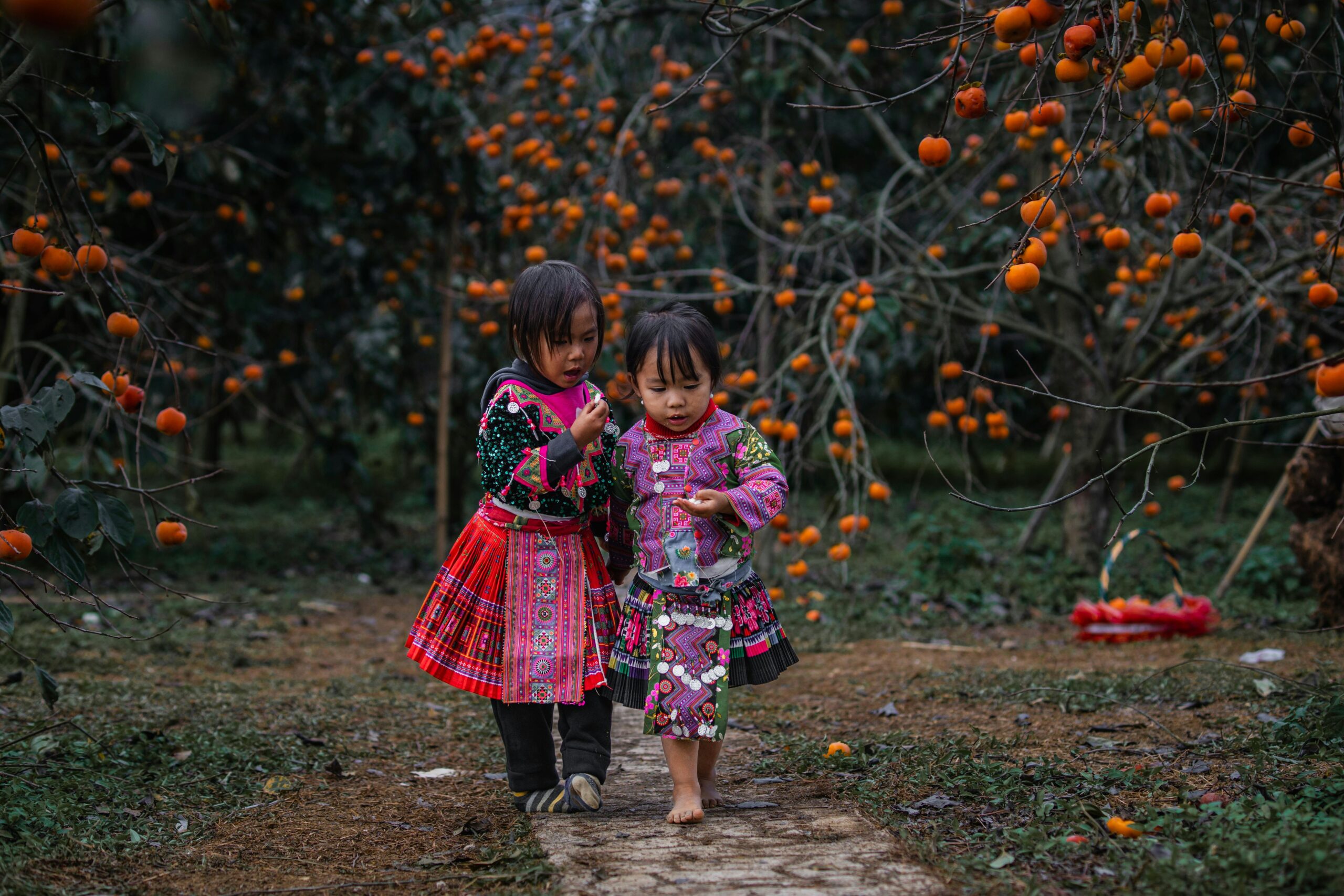
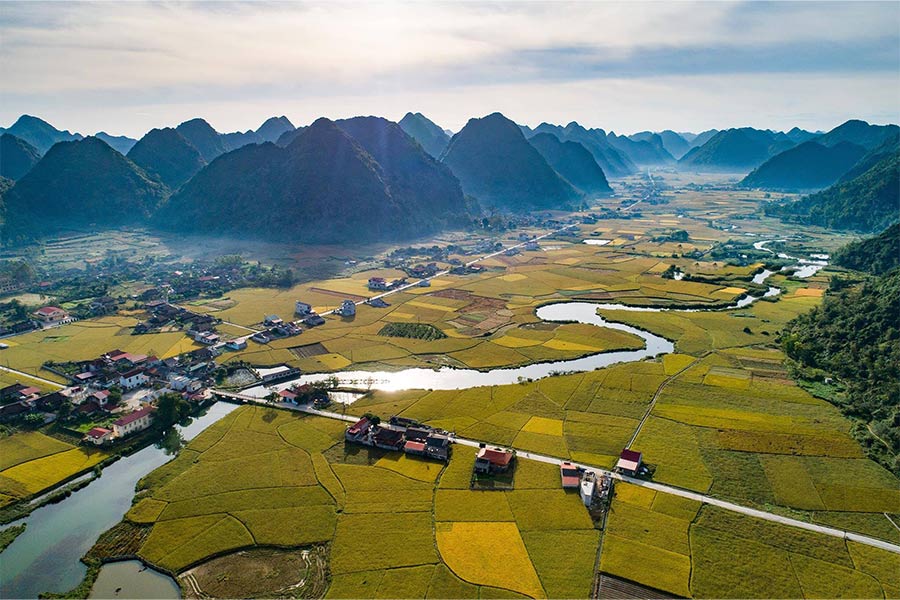
Mai Chau valley is a popular weekend escape from Hanoi. The landscape is beautiful: rice terraces, limestone mountains, and traditional stilt houses scattered across the valley floor. The White Thai people (ethnic Thai, distinct from the country Thailand) have lived here for generations, maintaining their language, traditional dress, and architectural style.
Tourism developed quickly in Mai Chau. Lac Village became the epicenter: dozens of homestays, restaurants, souvenir shops, and nightly traditional dance performances. It’s accessible and comfortable but increasingly feels manufactured for tourism rather than authentic village life.
Mai Hich offers what Lac Village has lost: genuine agricultural community, minimal tourist infrastructure, and daily rhythms dictated by farming rather than tour bus schedules.
The Village
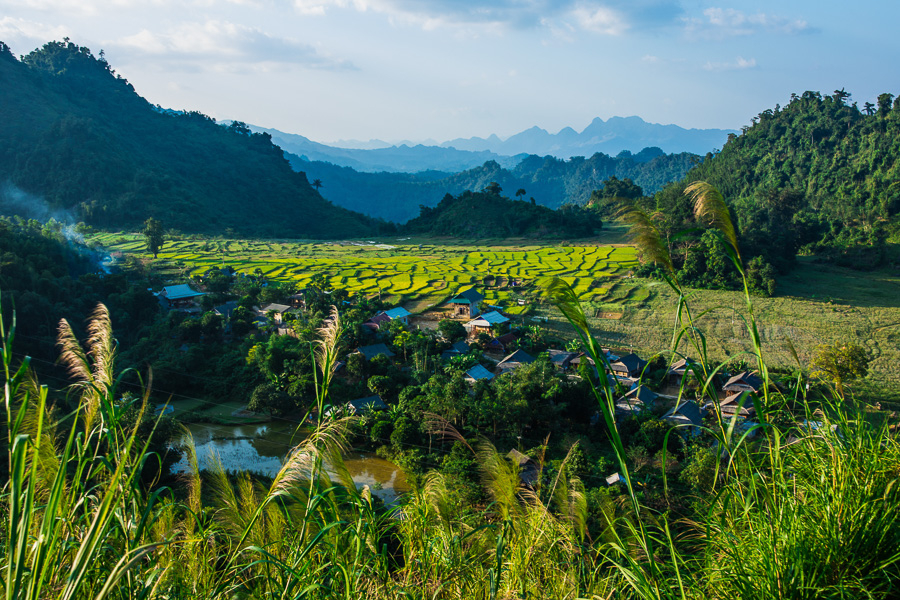
Mai Hich contains about 40 traditional stilt houses built in White Thai style: wooden structures raised on pillars, with living spaces above and storage or livestock areas below. The houses use traditional construction methods and materials, though some have added modern conveniences like electricity and satellite dishes.
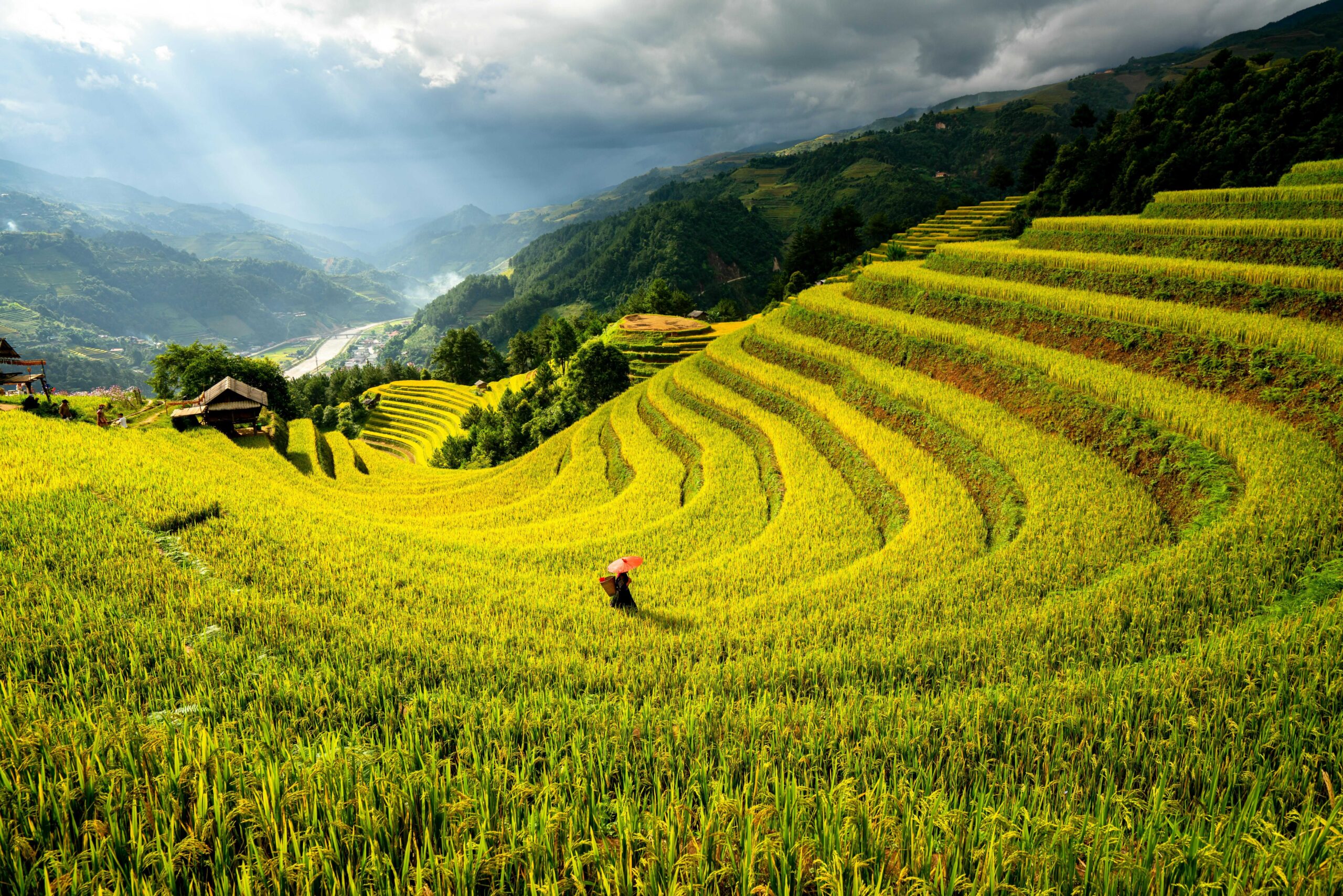
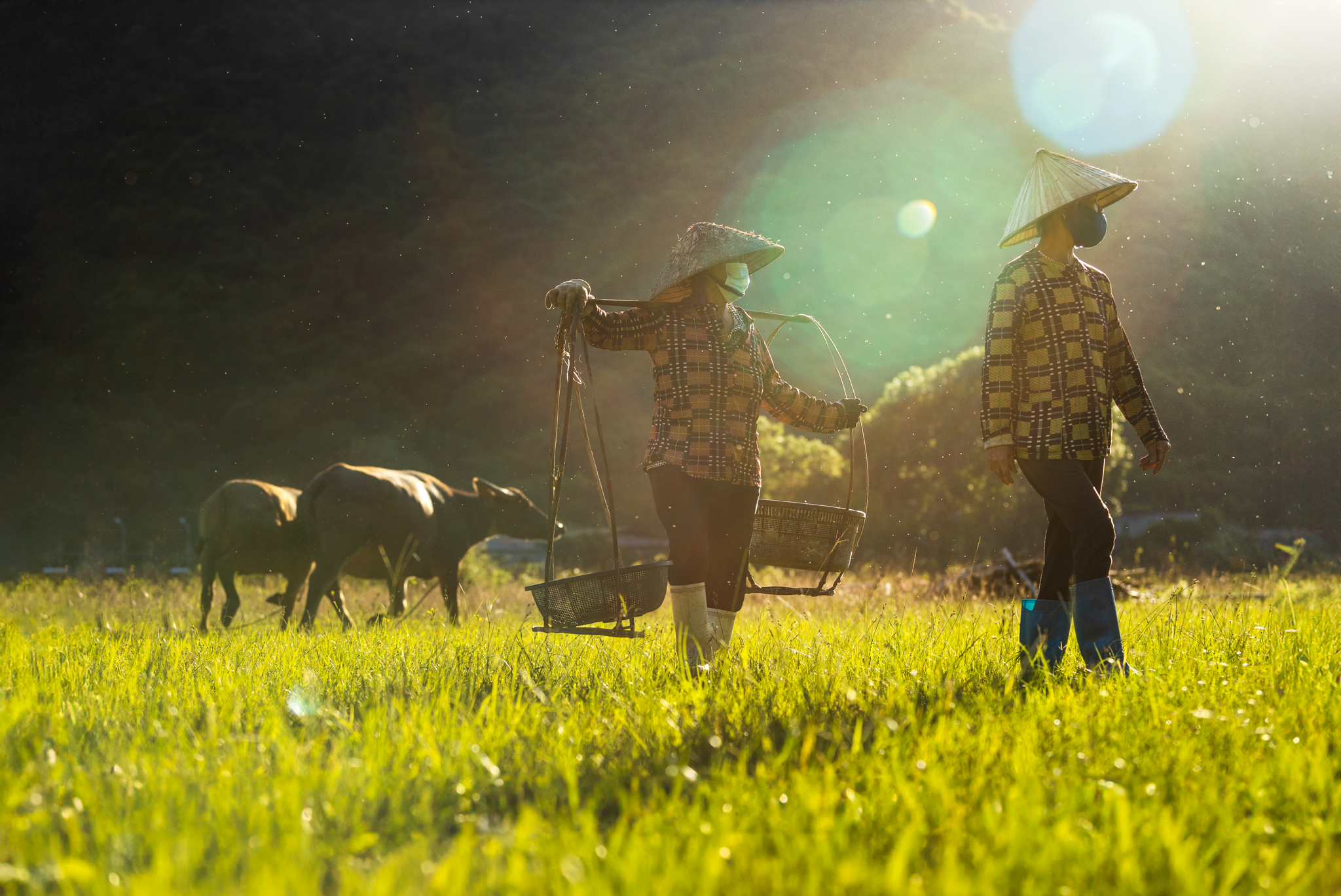
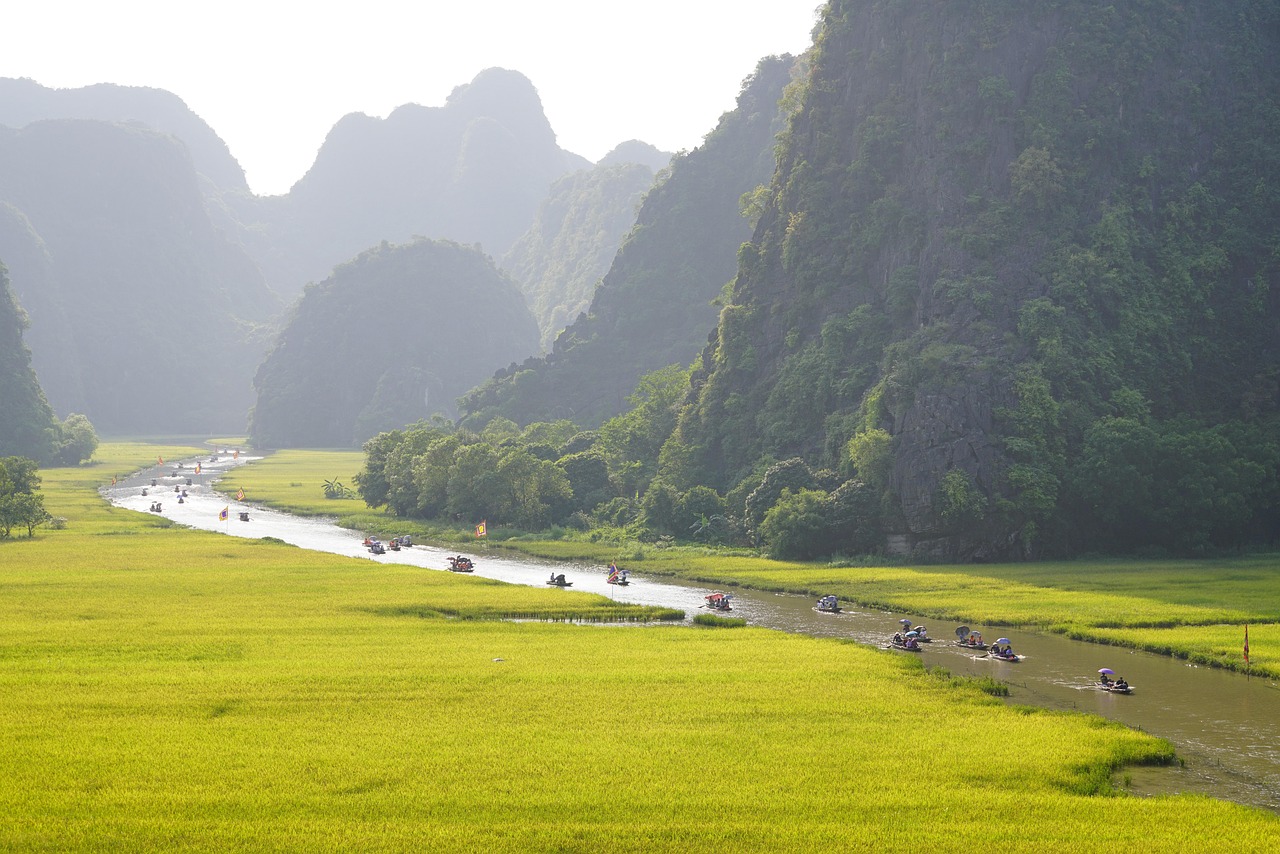
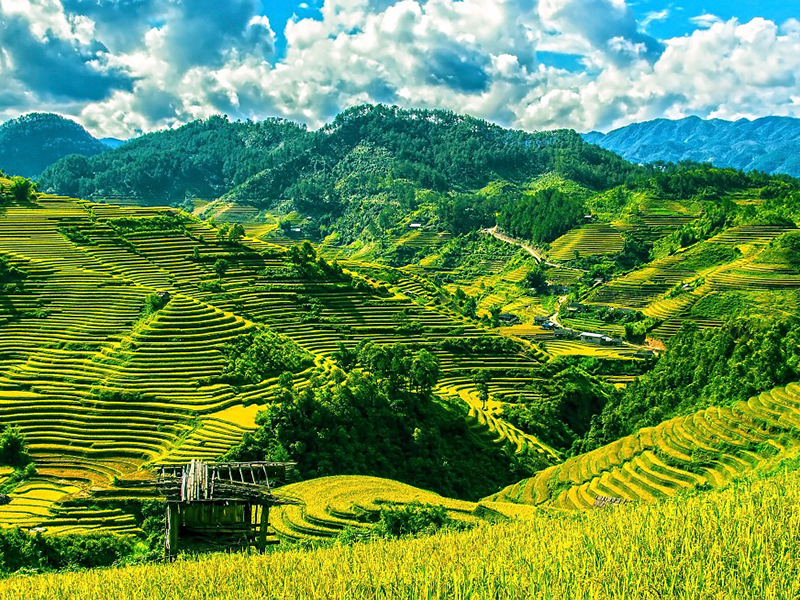
Rice farming dominates village life. The terraced fields surrounding Mai Hich follow seasonal cycles: planting in May-June, growing through summer, harvest in September-October. Between cycles, the terraces are flooded and reflect sky and mountains.
Women still weave traditional textiles using backstrap looms. You’ll see them working in the shade under their houses, creating indigo-dyed fabrics with intricate patterns. This isn’t demonstration for tourists; it’s clothing production for family use and supplementary income.
Buffalo graze in the fields. Children play in the village lanes. The pace is agricultural and seasonal, not tourist-driven.
What to Do
Walking and cycling through the valley and surrounding villages is the primary activity. There are no marked routes, just paths and small roads connecting communities. You’ll pass through rice fields, cross small streams, and encounter village life organically.
Cycling is particularly effective. The valley is relatively flat, distances between villages are manageable (3-10 kilometers), and cycling lets you cover more ground than walking while still maintaining intimate connection with the landscape.
Trekking into the surrounding mountains offers views across the valley and access to more remote minority villages. Routes range from 2-3 hour walks to full-day treks. Local guides know the paths and can facilitate village visits respectfully.
Visiting local families to observe weaving, rice wine making, or food preparation gives insight into daily activities. This requires a guide with existing relationships. Random dropping in on families is intrusive.
The weekly market (timing varies by specific village; ask locally) draws people from surrounding areas. It’s a genuine trading market, not tourist-oriented, showing regional commerce and social interaction.
Homestay Experience
Several families in Mai Hich offer homestay accommodation. You’ll sleep on mattresses under mosquito nets in the communal living area of their stilt house. Bathrooms are usually separate buildings with squat toilets and basic washing facilities. Hot water is rare.
Meals are served communal style: rice, vegetables, chicken or pork, soup. The food is simple, fresh, and represents actual Thai minority cuisine rather than adapted versions for Western palates.
Evening often includes rice wine (ruou can, drunk through long straws from a communal jar) and conversation, assuming language barriers can be navigated with basic English, Vietnamese, or a guide’s translation.
The experience is genuinely immersive. You’re staying in someone’s home, participating in their daily routine, and sleeping where family members usually sleep. It’s authentic cultural exchange but requires flexibility and acceptance of basic conditions.
Comparing to Lac Village
Lac Village has better facilities: more homestays, restaurants, shops, organized activities, WiFi in many places, and English-speaking hosts. It’s more comfortable and convenient.
Mai Hich has fewer facilities, less English, and more basic conditions. But it’s significantly more authentic. Tourism is supplementary income rather than the primary economy. Village life continues as it would with or without visitors.
If you want comfort and ease, stay in Lac Village. If you want authenticity and can handle basic conditions, Mai Hich delivers something Lac Village can no longer offer.
Some travelers stay one night in Mai Hich for the authentic experience, then move to Lac Village for better facilities. This compromise works if you want both experiences.
Getting There
Mai Chau district is 150 kilometers from Hanoi, roughly 3.5-4 hours by road through mountains. The main highway is good, but roads to smaller villages like Mai Hich can be rough.
From Mai Chau town or Lac Village, Mai Hich is 5-8 kilometers (depending on specific location) along smaller roads. Motorbike or bicycle work. Some sections are unpaved but manageable.
We arrange private cars from Hanoi directly to Mai Hich for clients. The driver knows the village access routes, which aren’t always obvious. This eliminates navigation concerns and allows luggage transport.
Activities from Mai Hich
Pu Luong Nature Reserve is 40 kilometers from Mai Hich (about 90 minutes by motorbike or car). This protected area offers excellent trekking, stunning rice terraces, and additional minority villages even more remote than Mai Hich. It’s worth considering for travelers wanting to go deeper into the region.
Thung Khe Pass between Mai Chau and Pu Luong provides spectacular valley views. The road is winding and scenic, perfect for motorbike touring.
Go Lao Waterfall, though modest, sits in beautiful forest about 25 kilometers from Mai Hich. It’s more about the journey and setting than the waterfall itself.
When to Go
May through June: Rice planting season. Fields are bright green, farmers are working daily, and you’ll see the valley at its most active agriculturally.
September through October: Harvest season. Golden rice terraces create stunning visuals. This is the most photogenic period and when many cultural activities occur around harvest celebrations.
November through April: Dry season. Weather is cooler and clearer. Rice fields are less colorful post-harvest but the climate is comfortable for trekking and cycling.
December through February can be surprisingly cold in the mountains, especially at night. Bring warm layers if visiting during this period.
July and August bring heavy rain, making trekking muddy and cycling uncomfortable. Still possible but less pleasant.
Planning Your Time
Two days and one night is minimum: arrive afternoon, evening in the village, full day exploring, depart the following afternoon.
Three days and two nights allows more relaxed exploration, deeper treks into surrounding mountains, and time to simply absorb village rhythms without rushing.
Mai Hich can be combined with Pu Luong for travelers wanting comprehensive exposure to northwest Vietnam’s minority cultures and landscapes. Allow 4-5 days for this combination.
What to Bring
- Cash for homestay fees, meals, and any purchases. There are no ATMs in Mai Hich or nearby villages.
- Flashlight or headlamp for evening and early morning.
- Toiletries and any medications. Facilities are basic and shops are limited.
- Modest clothing for village stay. Long pants and shirts with sleeves are respectful.
- Insect repellent, especially if visiting during warmer months.
- Small gifts for host families (fruit from Hanoi, tea, or school supplies for children) are appreciated but not required.
The Reality
Mai Hich is not comfortable. The homestays are basic, the facilities are minimal, and communication can be challenging. You’ll sleep on thin mattresses, use squat toilets, and wash with cold water.
But for travelers who value authenticity over comfort, who want to experience minority culture that hasn’t been commercialized, Mai Hich offers something increasingly rare in Vietnam.
We send clients here who’ve specifically requested genuine cultural immersion and who understand they’re trading comfort for authenticity. It’s not for everyone, and that’s exactly why it remains authentic.
Tourism is slowly increasing in Mai Hich. In five or ten years, it may look like Lac Village does now: comfortable but less genuine. Visit while it’s still primarily an agricultural community that happens to host occasional travelers rather than a tourism village that happens to grow some rice.
The experience requires the right mindset. If you approach it as adventure, cultural exchange, and opportunity to see rural Vietnamese life, Mai Hich delivers meaningfully. If you expect hotel standards or tourist services, you’ll be disappointed and frustrated.
Know what you’re getting into, prepare appropriately, and Mai Hich rewards you with one of northern Vietnam’s most authentic remaining village experiences.
TOURS INCLUDE Mai Hich

 7 DAYS
OTHER DESTINATIONS







What customers say about us
VIDEO TESTIMONIALS
Robert
 ITALY
ITALY
 2019
2019
 REQUEST A FREE QUOTE