Dong Van
Dong Van: Vietnam’s Far North
Dong Van sits in Ha Giang Province, Vietnam’s northernmost district, where mountains fold into China. This is the country’s most remote region: narrow roads carved into cliff faces, ethnic minority villages, and landscapes that feel more Tibetan than Vietnamese. It’s spectacular, challenging, and genuinely distant from everything else.
The Dong Van Karst Plateau
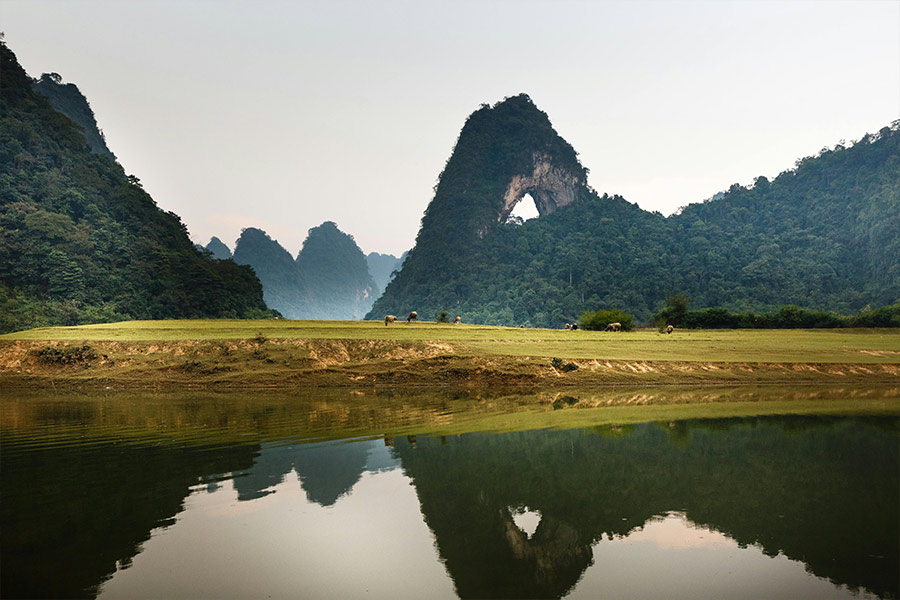
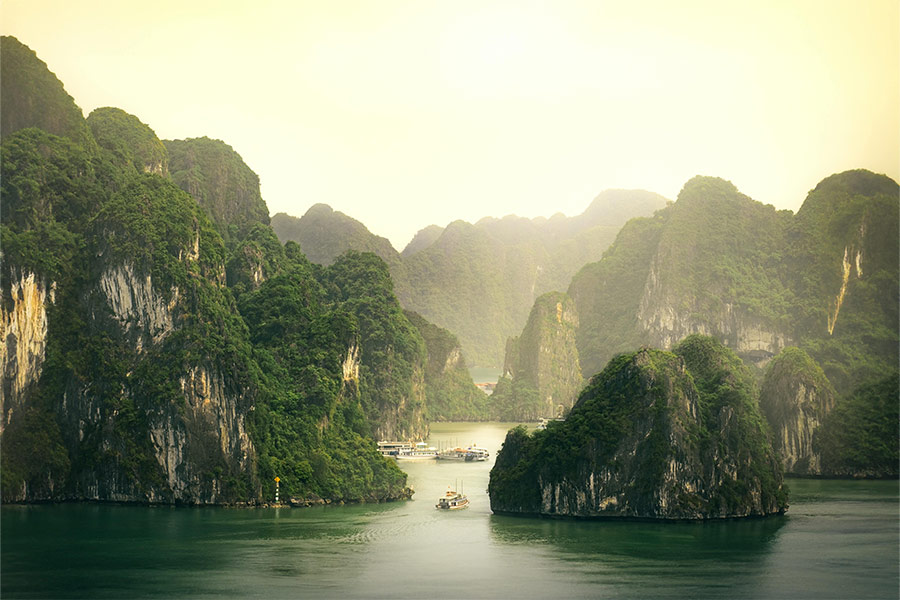
UNESCO recognized this as a Global Geopark in 2010. The karst plateau covers 2,350 square kilometers at elevations between 1,000 and 1,600 meters. Limestone formations here are among the oldest in Southeast Asia, dating back 400-600 million years.
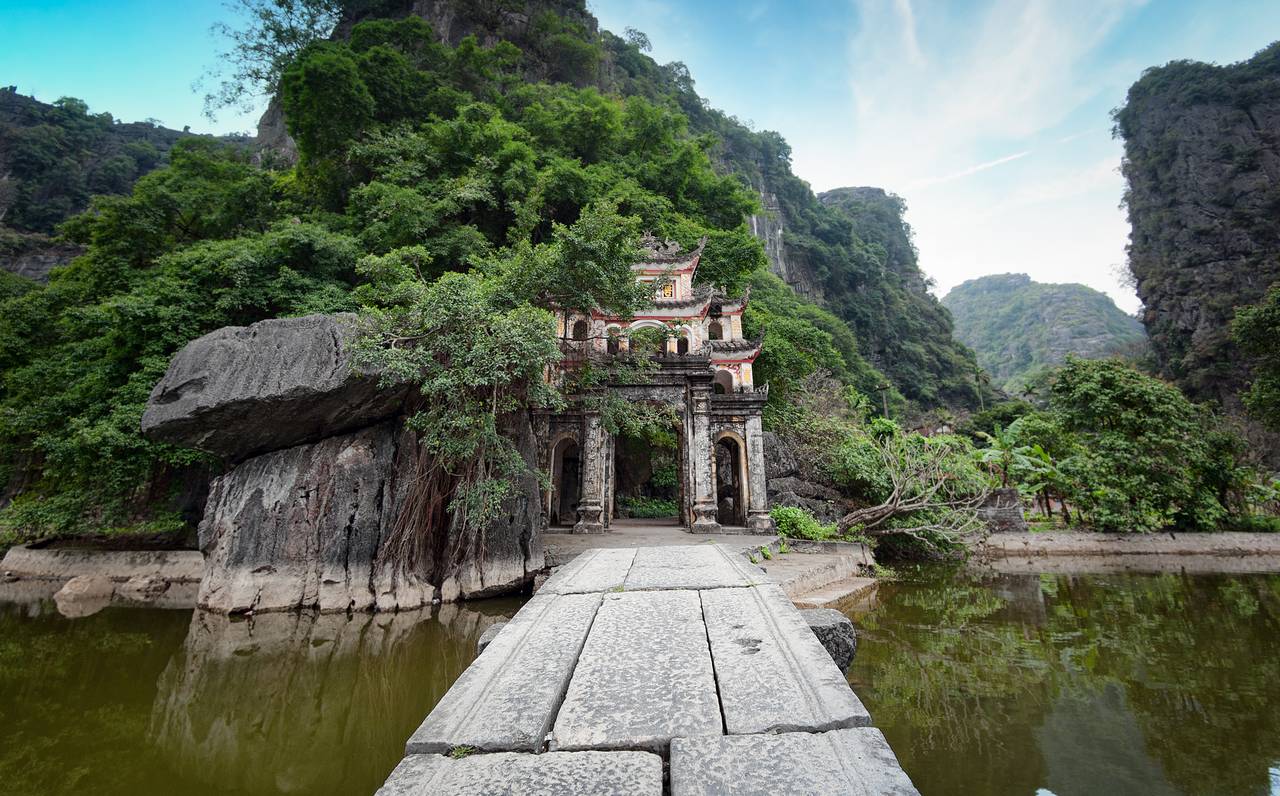
What that means visually: jagged grey peaks, deep valleys, rock formations sculpted by wind and rain over millennia. The landscape is harsh, beautiful, and unlike anywhere else in Vietnam.
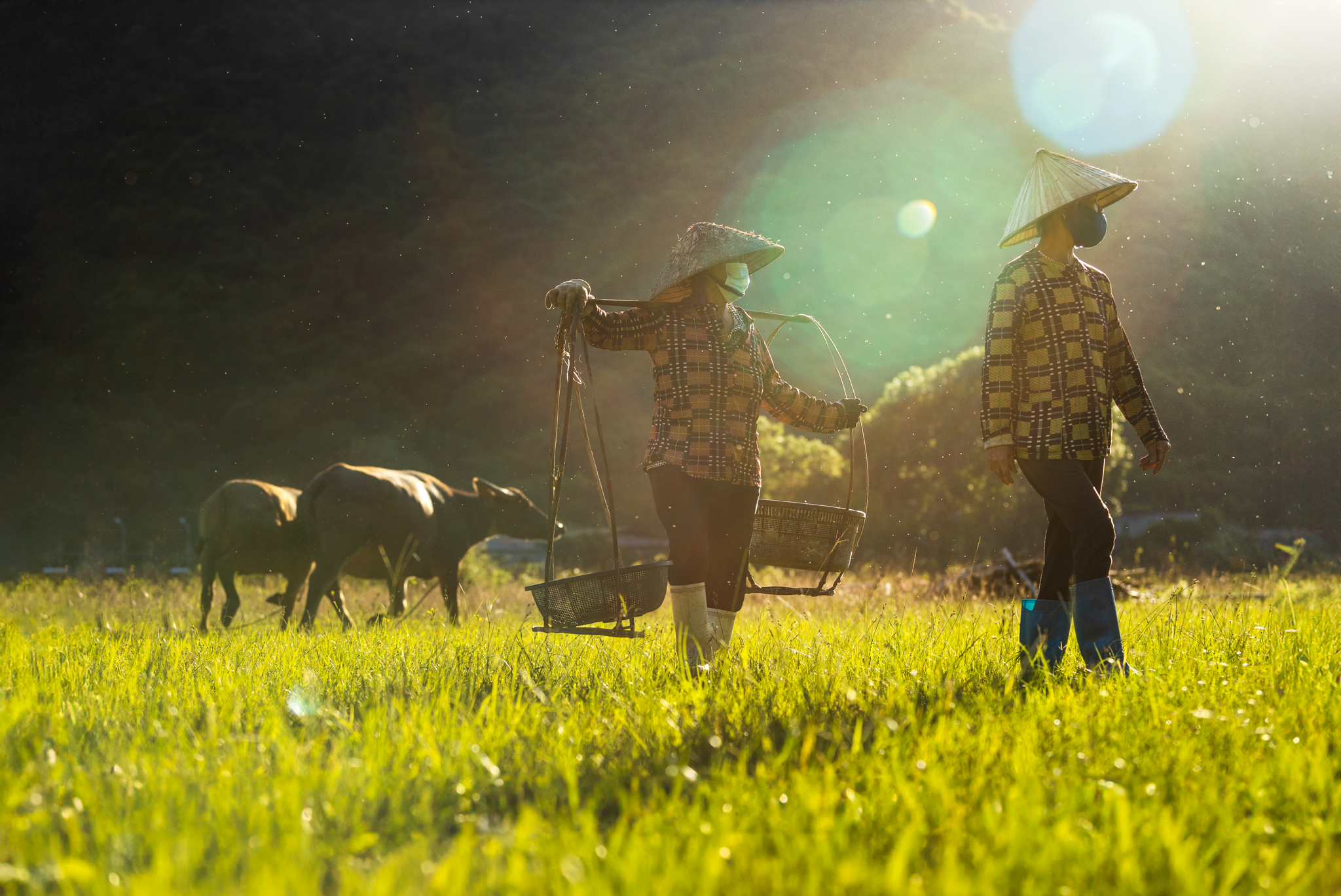
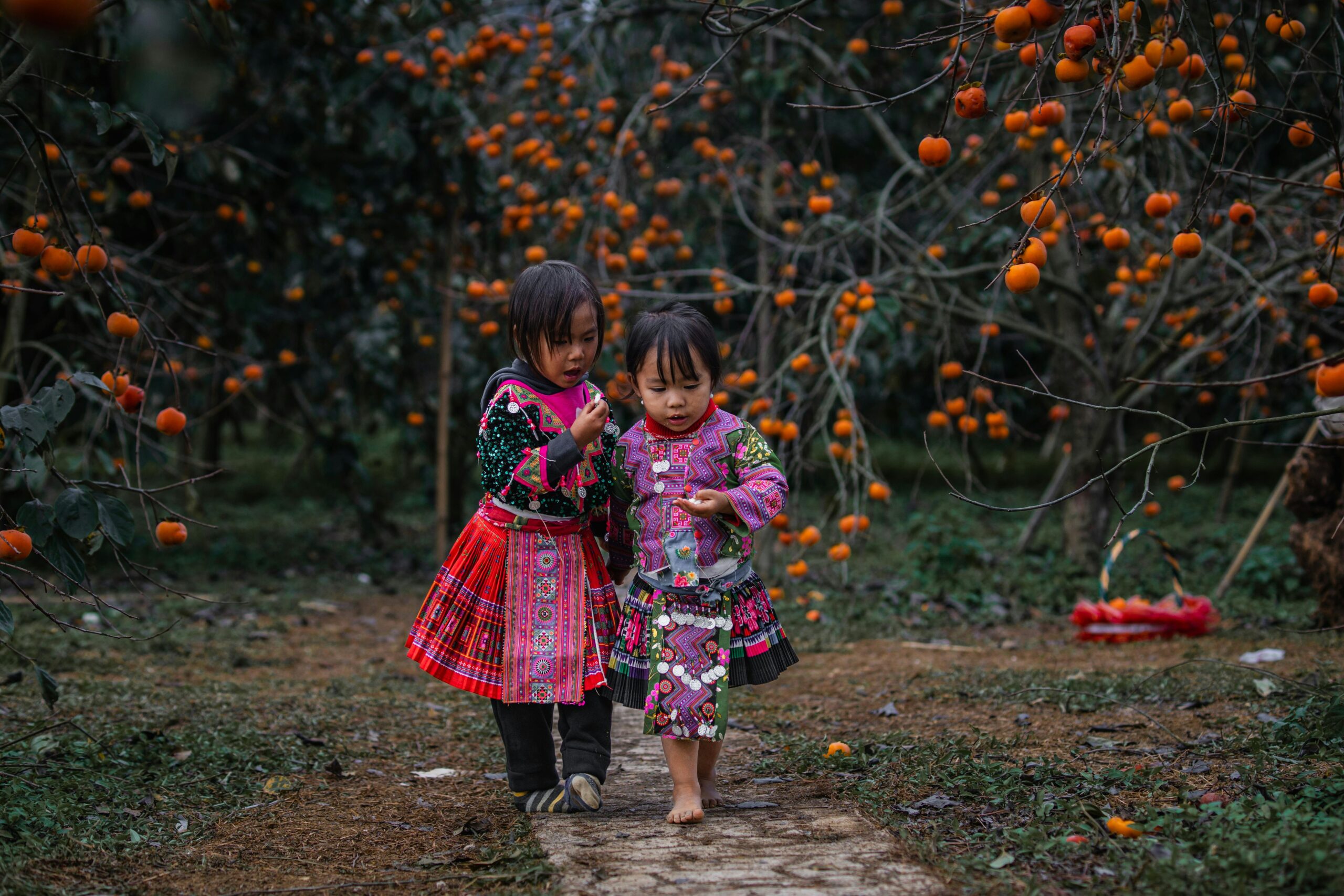
Ethnic minorities (Hmong, Tay, Nung, Dao, Lo Lo) make up over 90% of the population here. They’ve adapted to this difficult terrain through terraced farming, raising livestock, and maintaining traditions that survived because remoteness protected them from outside influence.
The Ha Giang Loop
Most travelers experience Dong Van as part of the Ha Giang Loop, a 300-kilometer circuit through the province’s mountains. The loop typically takes 3-4 days by motorbike, covering Dong Van, Meo Vac, Ma Pi Leng Pass, and surrounding areas.
This is Vietnam’s premier motorbike journey. The roads are technical: steep gradients, hairpin turns, loose gravel in sections, and sheer drops without barriers. You need confident riding skills and full attention. Accidents happen regularly, mostly to inexperienced riders underestimating conditions.
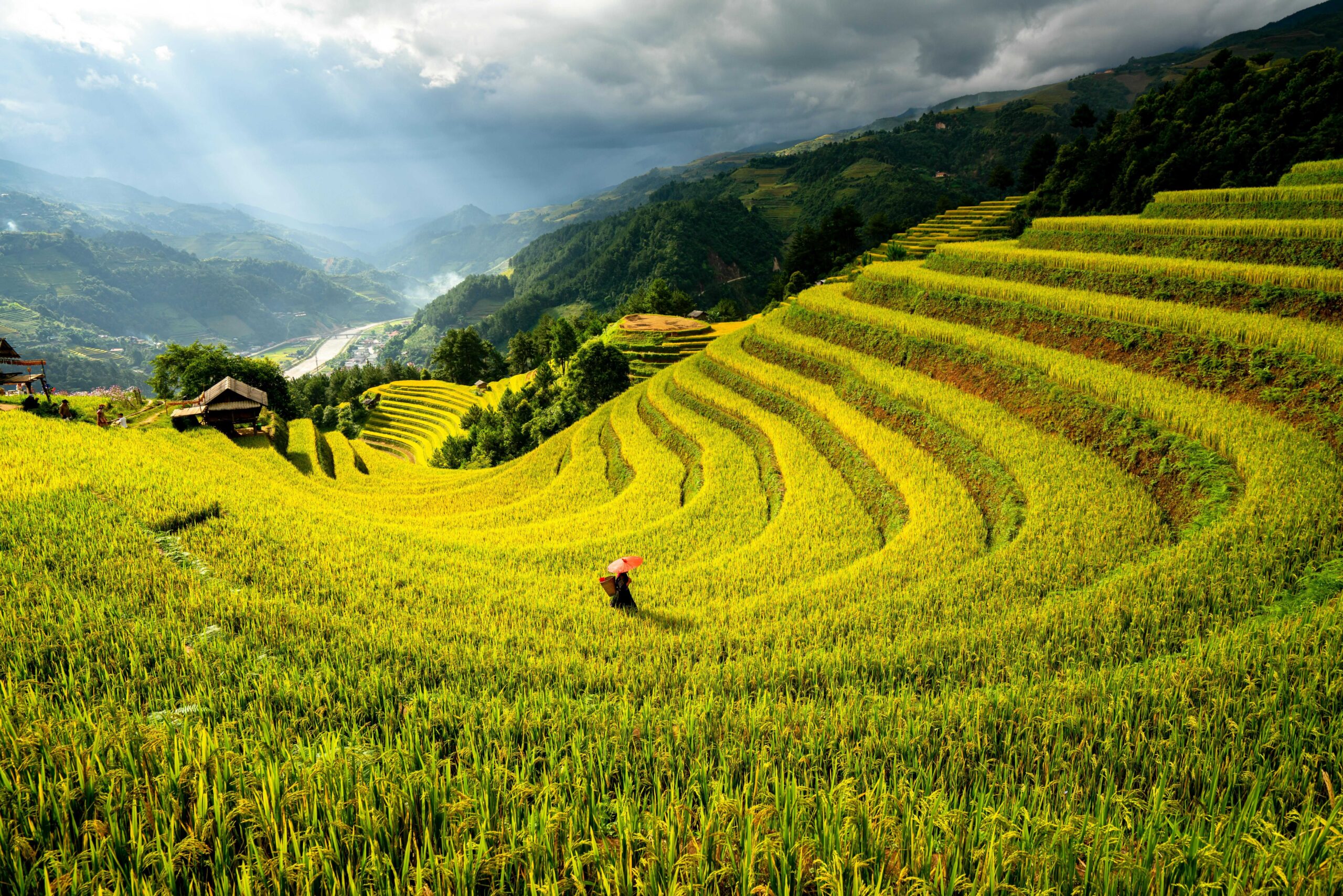
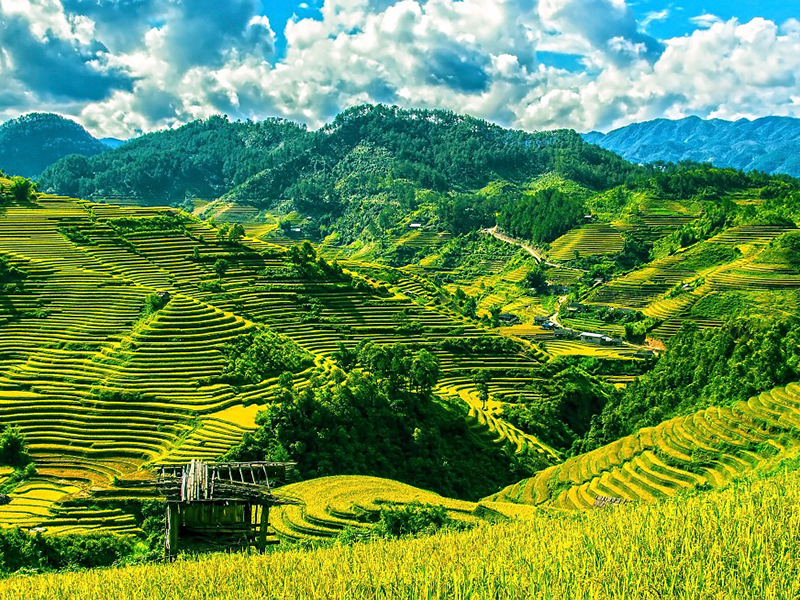
The scenery justifies the challenge. Every turn reveals new perspectives: valleys opening below, mountains rising ahead, terraced fields climbing impossible slopes.
Dong Van Town
The district capital is small, built around an old market square with French colonial buildings and traditional stone houses. It’s dusty, authentic, and functions as a genuine mountain town rather than a tourist center.
The Sunday market draws minority groups from surrounding villages. People come to trade livestock, produce, and goods. It’s colorful, chaotic, and real. Don’t expect handicraft stalls aimed at tourists. This is a working market.
Hmong King’s Palace (Vuong Family Mansion) sits 2 kilometers outside town. Built in the early 1900s by a wealthy Hmong family who controlled opium trade, the mansion blends Chinese, French, and Hmong architectural elements. It’s well-preserved and offers insight into the region’s complex history.
Ma Pi Leng Pass
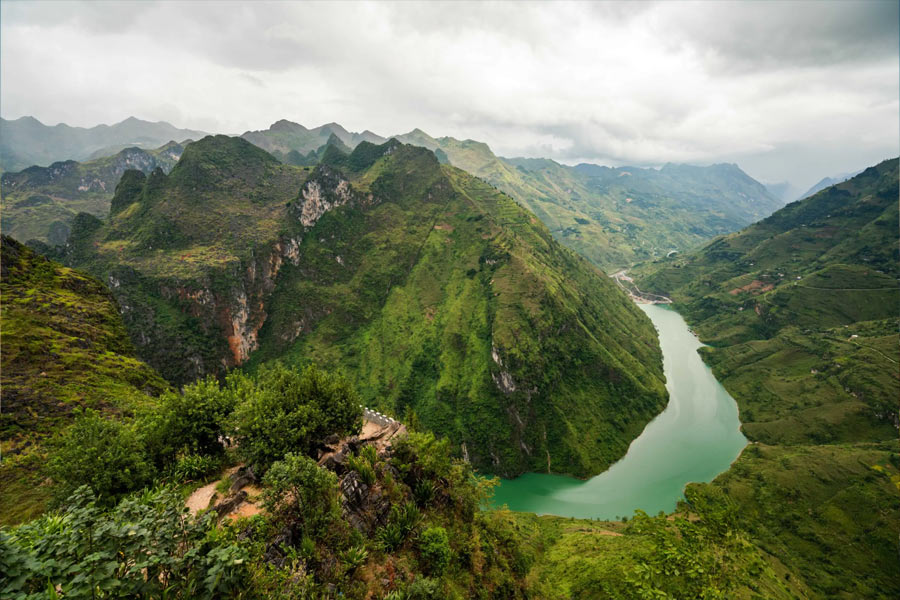
Between Dong Van and Meo Vac, Ma Pi Leng Pass ranks among Vietnam’s most dramatic roads. It traverses a cliff face 2,000 meters above the Nho Que River, with no guardrails in many sections.
The road was hand-built by ethnic minority soldiers in the 1960s. Hundreds died during construction. Riding it now, you understand why: the engineering is audacious, the exposure is severe, and the scale is overwhelming.
Stop at viewpoints to photograph the river gorge below and mountains extending into China. The perspectives are genuinely breathtaking.
A glass skywalk was recently installed at the main viewpoint. It’s tacky and unnecessary, but ignorable. The natural views matter more.
Nho Que River
The turquoise river runs through a deep gorge below Ma Pi Leng Pass. Boat trips from Meo Vac town take you into the canyon, looking up at the road you rode earlier. The water color is striking against grey limestone cliffs.
Trips last 30-45 minutes and cost around 50,000 VND. Worth doing if you have time.
Lung Cu Flag Tower
Vietnam’s northernmost point sits 25 kilometers from Dong Van near the Chinese border. A flag tower marks the location atop Dragon Mountain.
The ride there passes through spectacular mountain scenery. At the summit, you can see into China. The flag tower itself is more symbolic than visually interesting, but the surrounding views justify the detour.
Where to Stay
Dong Van and Meo Vac have basic guesthouses and small hotels. Standards are improving as tourism increases, but don’t expect luxury or Western amenities.
Rooms are simple: bed, basic bathroom, sometimes hot water. Some properties offer heating, which matters in winter when temperatures drop near freezing.
We work with specific guesthouses we’ve verified for cleanliness and hot water. Booking ahead during peak season (September-November and March-May) is advisable.
Homestays in ethnic minority villages offer more authentic experiences. Facilities are more basic, but you’ll engage directly with local families and daily life.
Food
Regional specialties include thang co (horse meat soup), men men (cornmeal cakes), and local corn wine. The food is simple, hearty, and adapted to cold mountain conditions.
Restaurants in Dong Van and Meo Vac serve Vietnamese standards: pho, fried rice, noodle soups. Quality is acceptable but unremarkable.
Most guesthouses offer meals. Eat where you stay rather than searching for restaurants in the evening.
Getting There
Ha Giang city is the gateway, roughly 300 kilometers north of Hanoi (6-7 hours by road).
From Ha Giang, the loop begins: Ha Giang to Dong Van is roughly 150 kilometers, taking 6-7 hours by motorbike given road conditions and stops.
Most travelers rent motorbikes in Ha Giang (automatic or semi-automatic). Rental shops are everywhere. Check brakes, tires, and lights carefully. Carry spare tubes and basic tools.
Easy riders (local drivers with pillion) are available if you want the experience without riding yourself. This costs more but eliminates the risk and technical challenge.
Private cars work but limit where you can stop and reduce the adventure element.
When to Go
September through November is peak season. Weather is dry, skies are clear, buckwheat flowers bloom (pink covering hillsides in October), and rice terraces turn golden. This is also the most crowded period.
December through February is cold. Temperatures near Dong Van can drop to freezing, especially at night. Roads can ice over at higher elevations. But you’ll see few other travelers, and clear winter days offer exceptional visibility.
March through May brings spring: flowers blooming, pleasant temperatures, good riding conditions.
June through August is wet season. Rain, fog, and slippery roads make riding dangerous. Visibility is limited. Avoid if possible.
The Challenges
This trip is not for everyone. The roads are genuinely difficult. If you’re not a confident motorbike rider, don’t attempt it yourself. Easy riders or private vehicles are safer options.
The remoteness means limited medical facilities, no ATMs in many areas (bring cash), and unpredictable phone coverage.
The elevation and riding distance are tiring. Most people underestimate how exhausting 6-7 hours on mountain roads can be.
The Reality
Dong Van and the Ha Giang Loop represent adventure travel in Vietnam. It’s physically demanding, requires adaptability, and offers minimal comfort. But the landscapes are extraordinary, the cultural encounters are genuine, and the sense of remoteness is real.
We send clients here who specifically want challenging travel, who are comfortable on motorbikes or willing to hire drivers, and who understand they’re going to Vietnam’s frontier rather than a developed tourist region.
The Ha Giang Loop is becoming more popular. Infrastructure is improving slowly. But it remains far enough and difficult enough that it filters out casual tourists. You have to commit to getting there and managing the conditions.
If you do commit, if you have the riding skills or hire competent drivers, and if you’re prepared for basic facilities and long days on the road, Dong Van delivers landscapes and experiences unavailable anywhere else in Vietnam.
This is Vietnam at its most remote and spectacular. Just make sure you’re ready for what that actually involves before you go.
TOURS INCLUDE Dong Van
OTHER DESTINATIONS






What customers say about us
VIDEO TESTIMONIALS
Robert
 ITALY
ITALY
 2019
2019
 REQUEST A FREE QUOTE