Cai Be
Cai Be: The Mekong’s Faded Market
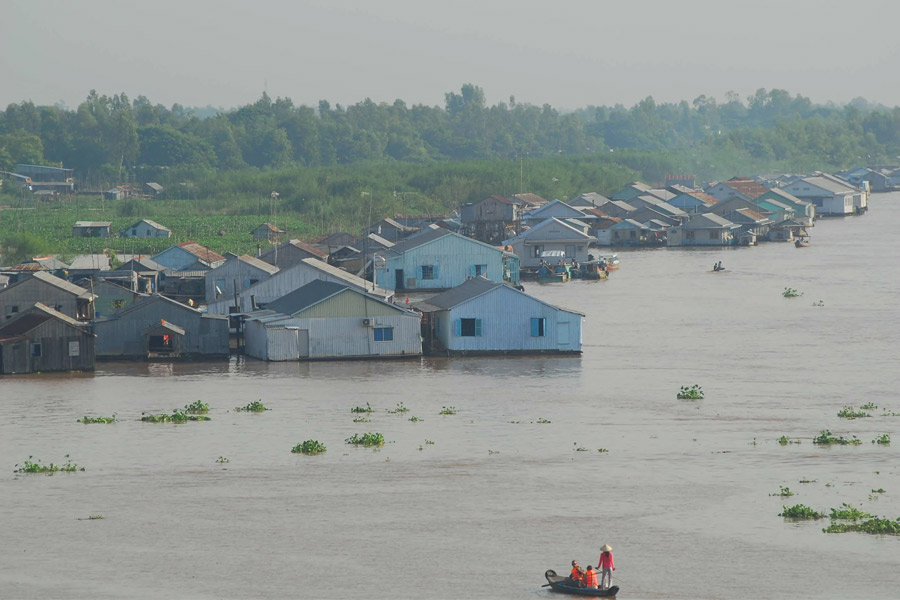
Cai Be sits in Tien Giang Province where the Tien Giang River splits into multiple channels, roughly 120 kilometers southwest of Ho Chi Minh City. This was once one of the Mekong Delta’s most vibrant floating markets, where wholesale fruit and vegetable trading happened entirely on water. That market has essentially disappeared. What remains is a confusing hybrid: a riverside tourist market pretending to be a floating market, with a handful of authentic trading boats mixed among tourist vessels.
Understanding what Cai Be is now versus what it was matters before you visit.
What Happened to the Market
Thirty years ago, Cai Be operated like Cai Rang near Can Tho still does: dozens of wholesale boats anchoring mid-river, hanging samples on tall poles, conducting serious commerce between farmers and buyers.
Modern roads and bridges changed everything. Trucks replaced boats for wholesale transport. The economic logic of floating markets disappeared. Traders moved to land-based facilities or stopped operating entirely.
By the 2000s, Cai Be’s floating market was already in decline. Tourism tried to fill the gap. Tour operators brought groups to see the “floating market,” creating demand for something that barely existed anymore. Locals adapted, creating a tourist market on boats and riverbanks that mimics what the original market looked like but functions completely differently.
Now, a few legitimate trading boats still appear early morning, selling to local buyers. But the majority of boats at Cai Be are either tourist boats (carrying visitors through) or vendor boats selling specifically to tourists: fruit, snacks, handicrafts, and photo opportunities.
What You’ll Actually See
If you arrive very early (6:00-7:00 AM), you might see a handful of wholesale boats conducting actual trades. These will be larger vessels with fruit stacked high, using the traditional cay beo (sample poles). They’ll ignore tourist boats and focus on business with smaller purchasing boats.
By 8:00 AM, most authentic trading has finished. What remains are vendor boats positioned to intercept tourist boats. They sell cut fruit, sugarcane juice, Vietnamese coffee, and handicrafts at inflated prices. The transactions are theater designed for the tour group experience.
The riverside market in Cai Be town operates throughout the day. This is where most “floating market” tours actually spend time. It’s a land market along the river with boat access, selling everything from produce to souvenirs. It’s functional for locals but the tourist presence has changed its character significantly.
The Cathedral and French Architecture
Cai Be’s saving grace is its French colonial architecture. The Cai Be Cathedral (completed 1934) dominates the town center: Gothic revival style, twin towers, well-maintained interior. It’s one of the Mekong Delta’s most impressive religious buildings.
Several French colonial villas line the riverside, though many are deteriorating. Some have been converted to guesthouses or cafes. The architecture gives Cai Be visual interest beyond the disappointing market.
Walking through town reveals this colonial legacy better than any boat tour. The cathedral, old villas, tree-lined streets, and older Vietnamese shophouses create an atmosphere that’s more interesting than the fabricated floating market experience.
Island Workshops and Orchards
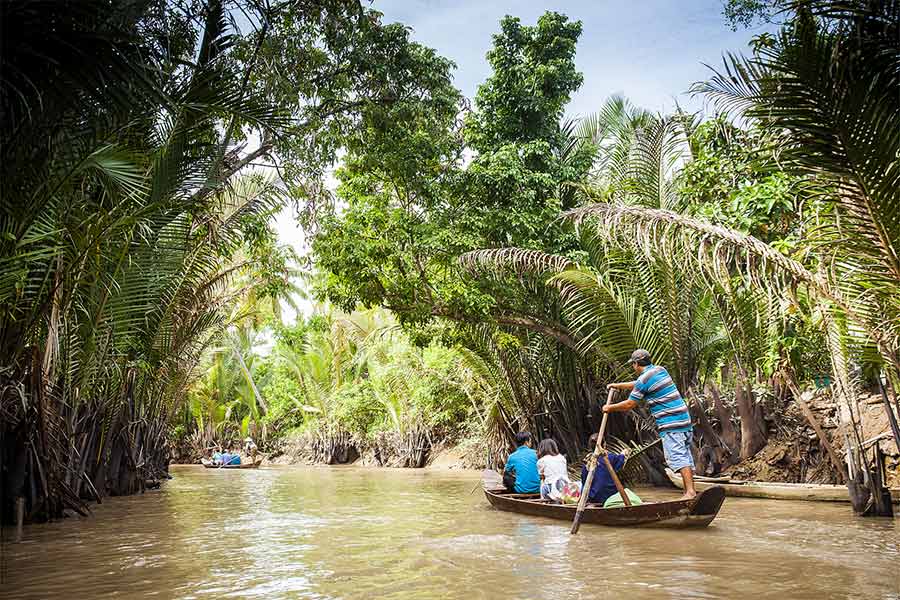
The boat tours from Cai Be typically include stops at small islands in the river where families produce traditional goods: rice paper, coconut candy, rice wine, and handicrafts.
These visits are semi-authentic. The production methods are traditional and the products are real. But the operations have been scaled and adapted specifically for tourist visits. You’ll see the process, taste samples, and face the inevitable sales pitch.
Some tours include orchard visits where you’ll walk through fruit gardens, taste seasonal fruit, and listen to traditional music performances. The orchards are real, the fruit is fresh, but the experience is clearly designed and repeated for tour groups.
Vinh Long Connection
Cai Be is often combined with Vinh Long, just across the river. Vinh Long has better infrastructure for tourism, more accommodation options, and serves as a base for exploring this section of the delta.
The Vinh Long-Cai Be area works as a softer introduction to the Mekong Delta compared to Can Tho. It’s closer to Ho Chi Minh City, less overwhelming, and easier for travelers with limited time. But it’s also more touristy and less authentic.
How Most People Visit
Day tours from Ho Chi Minh City dominate. You’ll depart early morning (around 6:00-7:00 AM), drive to Cai Be or Vinh Long, take a boat through the “floating market” and to island workshops, have lunch at a riverside restaurant, then return to the city. The entire experience takes 8-10 hours.
These tours are convenient and affordable (typically $30-50 USD), but they’re mass tourism. Buses full of people, preset routes, timed stops, and manufactured experiences.
Overnight trips let you stay in Vinh Long or on one of the delta islands. This allows evening and early morning in the area when day-trippers are gone, but there’s limited nighttime activity anyway.
Independent travelers can reach Cai Be by bus or car, arrange boat trips through local operators or hotels, and explore at their own pace. This offers more flexibility but requires more planning.
Where to Stay
Most people base in Vinh Long rather than Cai Be itself.
Vinh Long has several mid-range hotels: Cuu Long Hotel is clean and centrally located. Vinhlongriverside Hotel offers river views and comfortable rooms.
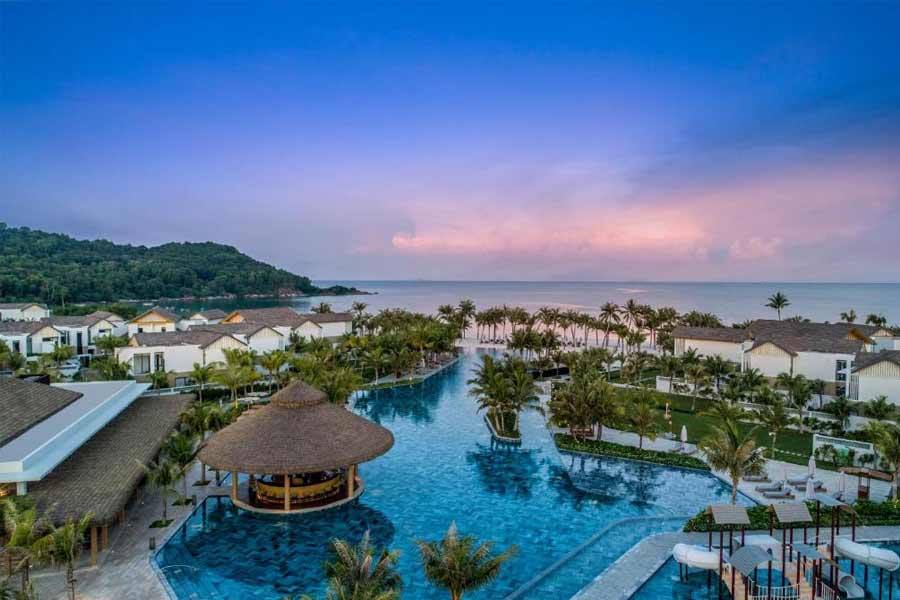
Mekong Island Lodge sits on An Binh Island between Vinh Long and Cai Be. This is the area’s standout property: stylish bungalows built in traditional Vietnamese style, set among fruit orchards and rice paddies. The lodge has a pool, excellent restaurant serving delta cuisine, and arranges cycling tours and boat trips through the surrounding islands. It’s a legitimate retreat that shows what delta tourism can be when done thoughtfully. Staying here makes the Cai Be area worthwhile even if the floating market disappoints.
Ut Trinh homestay, also on An Binh Island, offers a more authentic alternative. This is a genuine family homestay: simple rooms in a traditional house, meals with the family, and real insight into delta life. Ut Trinh’s family has been hosting travelers for years and manages the balance between hospitality and authenticity well. Facilities are basic (fan rooms, shared bathrooms), but the experience is genuinely immersive. Good for travelers who prioritize cultural exchange over comfort.
Some other islands near Cai Be have homestays. These offer more immersive experiences but very basic facilities. They’re legitimate homestays, not hotels, so adjust expectations accordingly.
Can Tho (90 kilometers west) is a better base if you want proper facilities and access to the authentic Cai Rang floating market.
Getting There
From Ho Chi Minh City: 120 kilometers, roughly 2.5-3 hours by road.
Private car gives you flexibility and comfort. We arrange these for clients who want to explore the delta independently rather than on group tours.
When to Go
The delta’s seasons (dry November-April, wet May-October) affect conditions but Cai Be operates year-round.
Early morning is critical if you want any chance of seeing legitimate trading boats. By 9:00 AM, it’s entirely tourist-oriented.
Weekdays see slightly fewer tour groups than weekends, though Cai Be gets steady traffic throughout the week.
Fruit seasons vary by type, but generally March through June offers the best variety.
The Honest Assessment
We rarely recommend Cai Be to European clients anymore. The floating market is essentially gone, replaced by tourist theater. What you’re buying is the idea of a floating market, not the reality.
Cai Rang near Can Tho still functions as a genuine wholesale market. If you want to see authentic Mekong Delta trading, go there instead. The extra distance from Ho Chi Minh City is worth it for the real experience.
Cai Be works only for travelers with very limited time who want a quick taste of the delta and won’t have opportunity to reach Can Tho. Even then, we set clear expectations: you’re seeing a touristy version of delta life, not the genuine article.
The colonial architecture and island workshops have some merit. But you can see similar or better examples elsewhere in the delta without the fake floating market overlay.
Alternatives to Consider
Can Tho and Cai Rang floating market: 170 kilometers from Ho Chi Minh City, but the authentic market justifies the distance.
Ben Tre Province: Closer to Ho Chi Minh City than Cai Be, with better cycling routes, coconut groves, and less touristy villages.
An Binh Island near Vinh Long: Offers cycling, orchards, and village life without the floating market pretense.
The Reality
Tourism economics killed Cai Be floating market, then tourism tried to resurrect its corpse for profit. What you see now is neither authentic commerce nor honest tourism. It’s performance designed to meet tourist expectations of what a floating market should look like.
Some travelers don’t care. They want photos of boats selling fruit, they get those photos, and they’re satisfied. The authenticity question doesn’t concern them.
But for travelers who value genuine experiences over staged ones, who can tell the difference between real commerce and tourist theater, Cai Be disappoints.
We’re honest with clients about this. If they insist on visiting Cai Be despite our reservations, we arrange it professionally. But we always suggest Can Tho as the better alternative, and we explain why clearly.
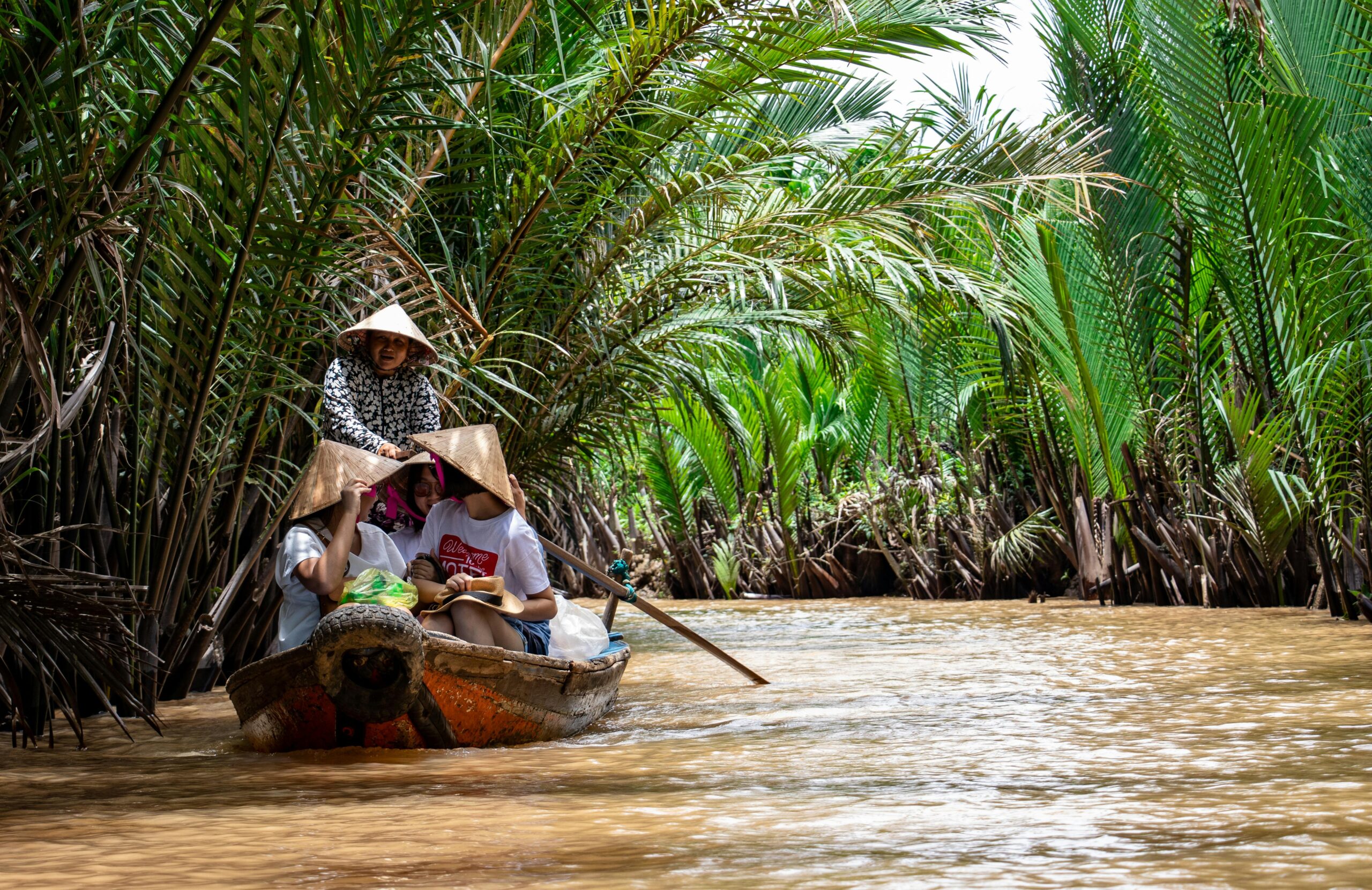
The Mekong Delta offers authentic experiences: Cai Rang floating market, cycling through villages, staying in homestays away from tourist routes, exploring by boat through narrow canals. Cai Be, unfortunately, is no longer one of those authentic experiences. It’s what happens when tourism replaces rather than complements local economy.
Visit if you must, but know what you’re seeing is preservation of tourism rather than preservation of culture.
TOURS INCLUDE Cai Be
OTHER DESTINATIONS



What customers say about us
VIDEO TESTIMONIALS
Robert
 ITALY
ITALY
 2019
2019
 REQUEST A FREE QUOTE