Buon Ma Thuot
Buon Ma Thuot: Vietnam’s Coffee Capital
Buon Ma Thuot sits in the Central Highlands at 500-600 meters elevation, roughly equidistant from both coasts. This is Dak Lak Province’s capital and the center of Vietnam’s coffee industry. The region produces over half the country’s coffee, making Vietnam the world’s second-largest coffee exporter after Brazil. But most travelers skip Buon Ma Thuot entirely, heading to Dalat instead. That’s a mistake if you’re interested in agricultural tourism, ethnic minority culture, or seeing highland Vietnam beyond the typical circuit.
Why Coffee Matters Here
Coffee arrived with French colonials in the late 1800s, but large-scale production didn’t begin until the 1980s and 90s. The Central Highlands’ volcanic soil, elevation, and climate proved ideal for robusta coffee, which thrives here.
Today, coffee plantations stretch for kilometers around Buon Ma Thuot. Small family farms and large estates both operate. The city’s economy revolves around coffee: processing facilities, export companies, and related businesses.
What makes this interesting for travelers is access. You can visit working plantations, see processing from cherry to bean, meet farmers who’ve worked coffee for generations, and taste exceptional coffee that never reaches export markets.
Coffee Plantation Visits
Trung Nguyen Coffee Village and Museum sits just outside the city. It’s part commercial operation, part museum, part tourist attraction. The grounds include coffee gardens, traditional ethnic minority houses, and explanations of coffee processing. It’s somewhat touristy but informative, particularly if you know nothing about coffee production.
Working plantation visits offer more authenticity. Several farms around Buon Ma Thuot welcome visitors with advance arrangement. You’ll walk through the coffee trees, see processing facilities, and often sit with farmers over proper highland coffee.
We arrange these visits through relationships with specific farms. The experience is less polished than Trung Nguyen but more genuine. You’re seeing actual working operations rather than demonstrations.
Harvest season runs October through January. Visiting during harvest lets you see picking, initial processing, and the full operation. Outside harvest, you’ll still see the plantations and understand the process, but the energy and activity are missing.
Ethnic Minority Culture
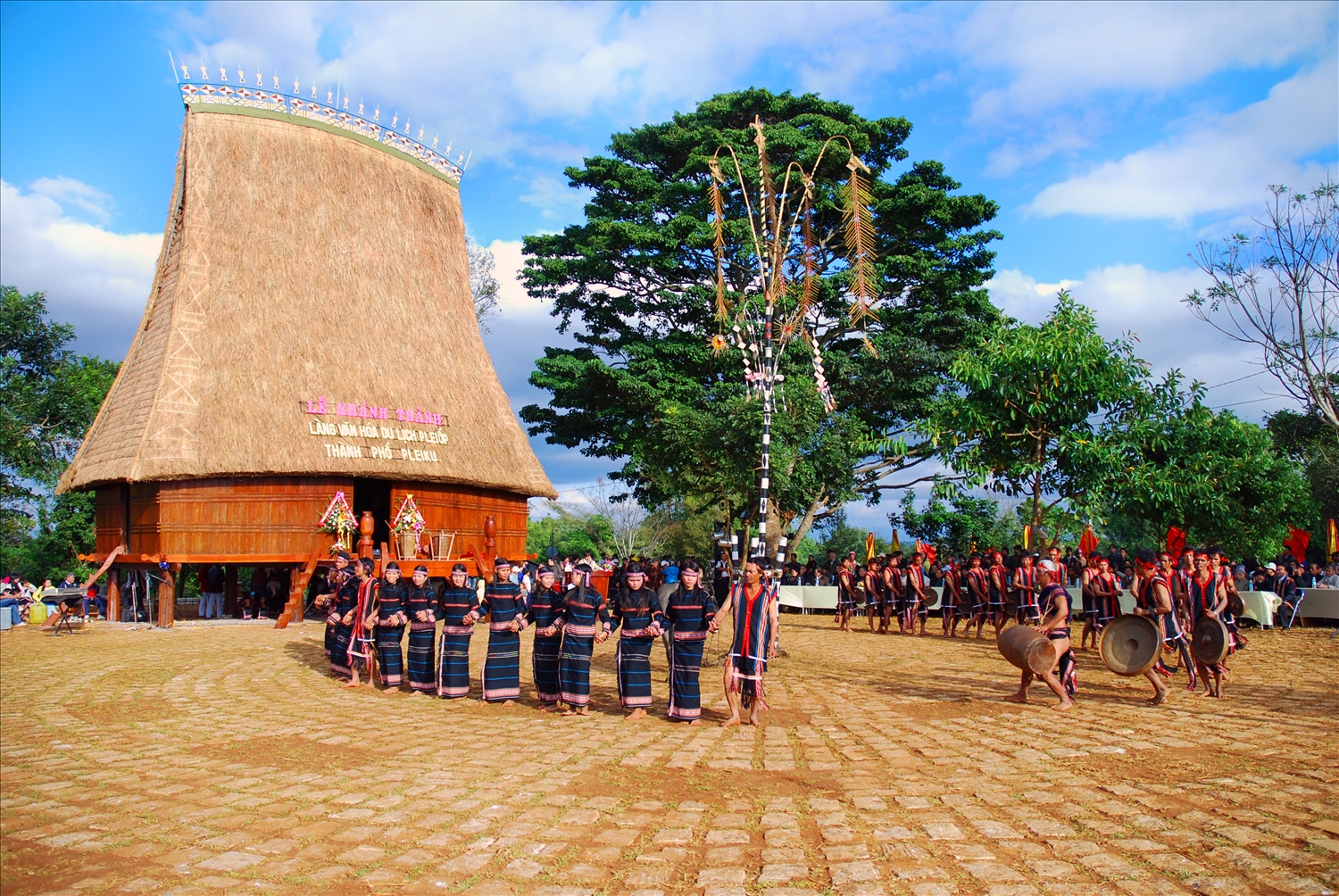
The Central Highlands are home to numerous ethnic minorities: E De, M’Nong, Jarai, and others. These groups maintain distinct languages, traditions, and village structures.
Traditional longhouses still exist in some villages. These communal structures house extended families under one massive roof, supported by carved wooden pillars. The architecture is distinctive and functional for highland climate.
Visiting villages requires sensitivity and proper arrangement. Some communities welcome visitors, others prefer privacy. Going with knowledgeable guides who have relationships with specific villages makes the difference between respectful cultural exchange and intrusive tourism.
Elephant villages near Buon Don (45 kilometers north of Buon Ma Thuot) historically worked with elephants for transport and forest work. Tourism has shifted this, often negatively. If you want to see elephants, focus on sanctuaries practicing ethical treatment rather than rides and performances.
Dray Nur and Dray Sap Waterfalls
About 30 kilometers south of the city, these twin waterfalls sit on the Serepok River. Dray Nur is wider and more powerful, especially during rainy season. Dray Sap is smaller but sits in a prettier setting surrounded by forest.
The falls are accessible by walking path connecting both sites. Plan 2-3 hours for both waterfalls and the walk between them.
March through May, toward the end of dry season, the falls are less impressive with reduced water flow. June through October, after monsoon rains, they’re powerful and dramatic.
Swimming is possible in pools below the falls during dry season. The water is cold and refreshing after the walk.
Lak Lake
Roughly 50 kilometers south of Buon Ma Thuot, Lak Lake is the Central Highlands’ largest natural lake. It’s scenic, peaceful, and surrounded by M’Nong minority villages.
The lake offers boat trips, visits to traditional villages, and some basic trekking in surrounding areas. Development is increasing, with resorts and tourist facilities growing along the shore.
Jun Village on the lakeshore maintains some traditional character. You can visit longhouses, see traditional weaving, and learn about M’Nong culture, though tourism has obviously changed the dynamic.
Lak Lake works as a day trip from Buon Ma Thuot or as an overnight stop if you’re traveling between the highlands and coastal regions.
Buon Ma Thuot City
The city itself is practical rather than charming. Wide streets, Soviet-style architecture, and sprawling layout reflect its development during and after reunification.
The Victory Monument commemorates the 1975 Battle of Buon Ma Thuot, which was strategically significant in the final campaign of the war. The Dak Lak Museum covers highland ethnic groups and regional history, worth an hour if you’re interested.
Khai Doan Pagoda is the city’s most significant Buddhist temple, blending traditional Vietnamese and Cham architectural elements.
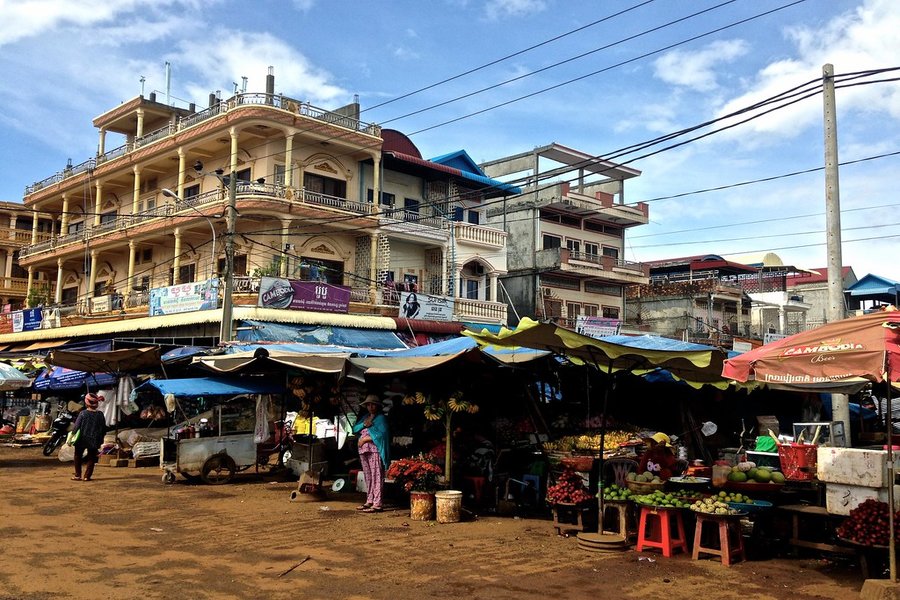
The central market is functional and interesting for observing daily life but not a tourist attraction.
Where to Stay
Saigon Ban Me Hotel is the best option in the city center. Reliable service, clean rooms, decent restaurant. It’s not exciting but solid and well-located.
Dakruco Hotel offers slightly more character in an older colonial building. Rooms vary in quality; request a renovated room.
Several resorts sit outside the city near coffee plantations or on the road to Lak Lake. Sao Mai Resort and Lak Tented Camp near Lak Lake offer more atmospheric settings if you don’t need to be in the city itself.
Getting There
Buon Ma Thuot has a small airport with flights from Hanoi and Ho Chi Minh City. Vietnam Airlines and Vietjet both operate routes. Flights are limited (usually one or two daily), so book ahead.
By road from Nha Trang: 200 kilometers, about 4-5 hours through mountain passes. The drive is scenic.
From Dalat: 200 kilometers, roughly 5 hours. This route works well if you’re touring the highlands.
From Ho Chi Minh City: 350 kilometers, 7-8 hours. Too long for a day but manageable as overnight travel or broken into segments.
We arrange private cars for clients, often building multi-day highland itineraries connecting Dalat, Buon Ma Thuot, and coastal destinations.
When to Go
October through January is harvest season and the best time to visit if you want the full coffee experience. Weather is pleasant, farms are active, and you’ll see the complete production process.
February through April is dry season continuation. Weather is good but harvest is finished, so plantation visits are less dynamic.
May through September brings rain. Waterfalls are powerful and the landscape is lush, but daily afternoon storms make outdoor activities challenging.
Planning Your Time
Two days and one night covers the main attractions: coffee plantation visit, waterfalls, and perhaps Lak Lake or an ethnic minority village.
Three days allows a more relaxed pace and deeper engagement with coffee culture or ethnic communities.
One day works only if you’re specifically focused on coffee and willing to rush through everything else.
The Reality
Buon Ma Thuot isn’t polished or particularly beautiful as a city. The attractions are spread out, requiring transport and planning. English is less common than in coastal tourist areas.
But for travelers interested in coffee, agricultural tourism, or ethnic minority cultures without heavy tourist influence, Buon Ma Thuot offers access to aspects of Vietnam that Dalat or beach destinations can’t provide.
We send clients here who’ve specifically requested highlands experiences, who want to understand Vietnamese coffee beyond what’s in their cup, or who are building comprehensive Vietnam itineraries that include regions most travelers skip.
Buon Ma Thuot requires more effort and yields less immediate gratification than Vietnam’s highlights. But it rewards curiosity and delivers authenticity. That makes it valuable for travelers who’ve already seen the standard circuit and want to go deeper into Vietnam’s complexity and diversity.
TOURS INCLUDE Buon Ma Thuot
OTHER DESTINATIONS


What customers say about us
VIDEO TESTIMONIALS
Robert
 ITALY
ITALY
 2019
2019
 REQUEST A FREE QUOTE