Ba Be National Park
Ba Be Lake and Ba Be National Park: Northern Vietnam’s Mountain Waters
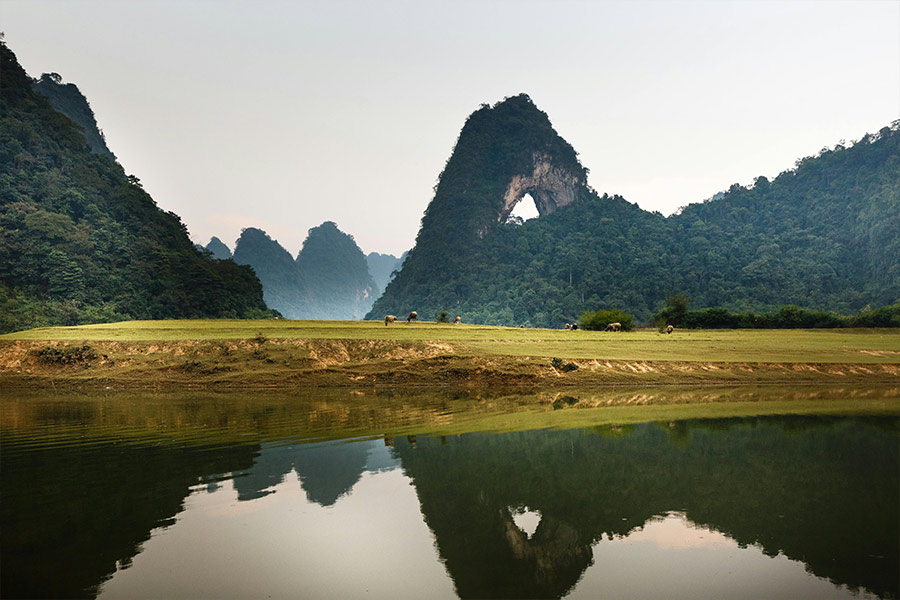
Ba Be Lake sits in Bac Kan Province, roughly 240 kilometers north of Hanoi in the limestone mountains near the Chinese border. This is Vietnam’s largest natural freshwater lake: actually three interconnected lakes (Pe Leng, Pe Lu, and Pe Lam) stretching about 8 kilometers through a valley surrounded by forested karst peaks rising 1,000-1,500 meters. The national park protecting the lake and surrounding area covers 230 square kilometers of primary forest, caves, waterfalls, and ethnic minority villages (primarily Tay people). It’s remote, peaceful, and genuinely beautiful in understated ways that reward travelers seeking nature and tranquility over dramatic spectacle.
The Lake
Ba Be’s appeal is atmospheric rather than dramatic. The water is calm, reflecting surrounding mountains and sky. Limestone karsts rise directly from the shoreline in places, creating scenic compositions. Traditional wooden boats (both motorized and rowing boats) navigate the lake, connecting villages and carrying visitors.
The lake sits at 145 meters elevation in a tectonic valley. It’s deep (maximum 35 meters) and clear. Fish populations support local communities, and you’ll see fishing boats working early morning and evening.
Swimming is possible though not widely promoted. The water is clean but cold, fed by mountain streams. Several spots along the shore offer access if you want to swim.
The lake’s scale is manageable rather than overwhelming. You can see across to the far shore, understand the geography, and feel oriented. This creates intimacy that massive lakes lack. You’re in the mountains, on a lake, surrounded by forest, but never feel lost or dwarfed by scale.
Boat Trips
Exploring Ba Be by boat is the primary activity. Routes vary but typically include several destinations:
Puong Cave (Hang Puong): The Nang River flows through this 300-meter cave before entering Ba Be Lake. Boats motor through the cave, which is dark, atmospheric, and filled with bats and swallows. Stalactites hang from the ceiling, and the limestone formations create natural archways. The journey through takes about 10 minutes. It’s genuinely impressive, combining water, cave, and the dramatic entrance/exit into open landscape.
Dau Dang Waterfall: About 20 minutes by boat from most starting points, this cascade spreads across limestone terraces, creating multiple small falls and pools. During high water (June-October), it’s powerful and loud. Dry season reduces flow significantly but the setting remains photogenic. You can climb on rocks around the falls, though surfaces are slippery.
Fairy Pond (Ao Tien): A small side lake connected to Ba Be, surrounded by steep limestone cliffs. It’s scenic and peaceful, good for photography, though not essential if time is limited.
Widow’s Island (Đảo Ba Góa): A small island on the lake with local legends attached. Boats stop here briefly for photos and the story, though there’s not much to see beyond the setting itself.
Boat trips last 3-5 hours depending on route and stops.
We arrange private boats for clients, allowing flexible timing and stops without adhering to group tour schedules.
Trekking and Hiking
The national park contains trekking routes through primary forest, connecting villages, and accessing viewpoints. The trails range from easy walks to full-day treks requiring guides.
Nam Mau Village to Hua Ma Cave: A popular route (about 3-4 hours) passing through forest to a large cave system. The cave is impressive, extending hundreds of meters underground with multiple chambers. Guides are essential; the cave is unlit and requires careful navigation.
Forest trails around Bo Lu village: Various routes explore the park’s forest, showing vegetation zones, occasional wildlife (though sightings aren’t guaranteed), and mountain scenery. These range from 2-hour walks to 6-8 hour treks.
Summit climbs: Several peaks around the lake can be climbed for panoramic views. These require early starts, good fitness, and guides. The views reward the effort on clear days.
Wildlife viewing is possible but requires patience and luck. The park records over 550 plant species, 65 mammal species (including langurs, macaques, and pangolins), and 230 bird species. You’ll likely see birds and possibly primates, but larger mammals are elusive.
Leeches are present during wet season (May-October). Wear long pants, closed shoes, and check yourself regularly. They’re annoying but harmless.
Homestays in Tay Villages
The Tay minority (ethnic Thai, not related to Thailand) has lived around Ba Be for generations. Traditional wooden stilt houses cluster in villages around the lake.
Staying in homestays provides cultural immersion and directly supports local families. You’ll sleep in the communal area of stilt houses on mattresses under mosquito nets. Bathrooms are shared, usually separate buildings with squat toilets and cold water for washing.
Meals are served family-style: rice, vegetables, fish from the lake, sometimes pork or chicken, and local rice wine. The food is simple, fresh, and represents actual Tay cuisine.
Evenings often include rice wine sharing and conversation (through guides if language is a barrier). The Tay drink rice wine through long straws from communal jars, a traditional practice visitors are invited to join.
Several villages offer homestays: Pac Ngoi is the most developed, with numerous families hosting guests. Coc Toc is smaller and sees fewer tourists. Bo Lu also has options.
Standards are basic but conditions are clean. Don’t expect privacy, hot water, or Western amenities. What you get is genuine cultural exchange and direct support for communities maintaining traditional lifestyles.
Where to Stay
Ba Be Lakeview Homestay in Pac Ngoi: One of the better-established homestays with cleaner facilities, some English-speaking family members, and consistent quality. Still basic but reliable.
Ba Be National Park Guesthouse: Government-run accommodation near park headquarters. Simple rooms, private bathrooms, restaurant. It’s more hotel-like than homestays but still modest. Good if you want slightly more privacy and facilities while accessing the park.
Homestays: As described above, these offer the most authentic and immersive experience.
Small hotels in Cho Ra town: The nearest town (about 18 kilometers from the lake) has a few basic hotels. These work only if homestays are fully booked or you can’t handle very basic conditions. Staying here means missing evening/morning on the lake.
Most travelers choose homestays. That’s what we recommend unless clients have specific concerns about basic facilities.
Getting There
Ba Be’s remoteness requires planning. It sits roughly 240 kilometers north of Hanoi, but mountain roads make the journey longer than distance suggests.
From Hanoi by private car: 6-7 hours via improved highways through Thai Nguyen and Bac Kan. This is the most comfortable option. The drive is scenic once you leave Hanoi’s outskirts, passing through rural landscapes and mountains.
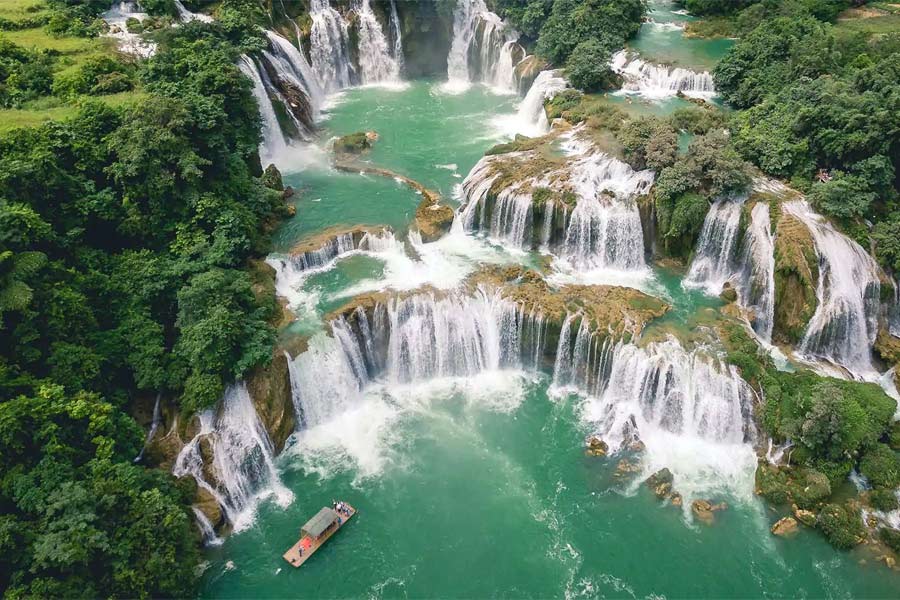
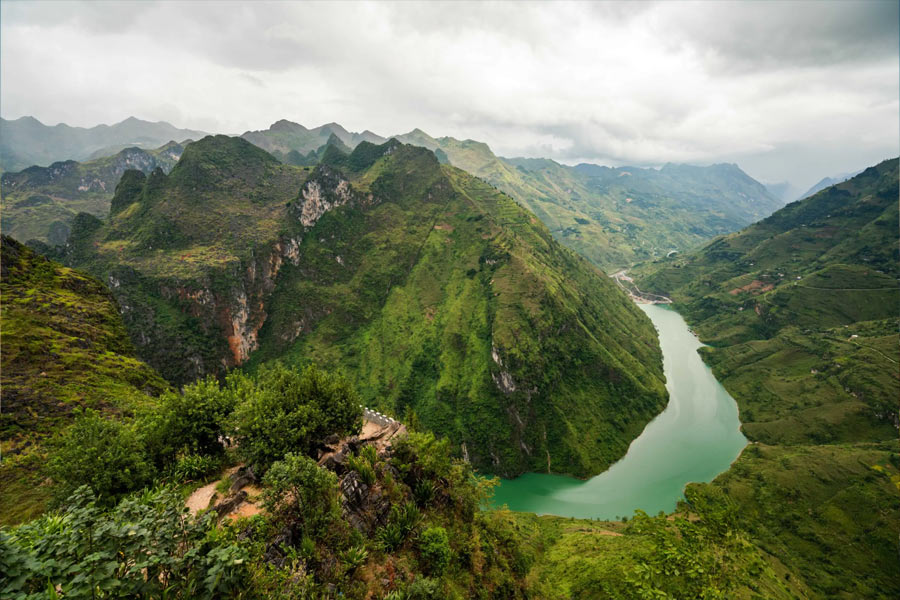
As part of northern loop itineraries: Ba Be combines logically with Cao Bang/Ban Gioc Waterfall (4 hours east) or as a stop between Hanoi and Ha Giang (continuing north). This makes geographical sense and justifies the remote location.
We arrange private drivers for clients, often building 4-7 day northern itineraries that include Ba Be along with other destinations. The flexibility allows stops at viewpoints, markets, or villages along the route.
When to Go
September through November: Ideal timing. Weather is dry, temperatures are pleasant, water levels are good (following rainy season), and autumn colors appear in the forest. This is peak season, though Ba Be never gets crowded by tourist standards.
December through February: Cool to cold, especially mornings and evenings. Bring warm layers. Visibility is often excellent. Water levels drop but remain sufficient. Fewer visitors mean more peaceful experience.
March through May: Warming weather, spring flowers, good conditions. Water levels are lowest toward end of this period.
June through October: Rainy season. Afternoon storms are common, trails get muddy, and leeches are abundant. But the landscape is lush, waterfalls are powerful, and tourist numbers are minimal. For travelers who don’t mind rain and are flexible with plans, this offers the most dramatic natural conditions.
Early morning on the lake is magical regardless of season: mist rising from water, fishermen working nets, mountains emerging as light increases. Staying overnight lets you experience this before day-trippers arrive.
Activities Beyond Boating and Trekking
Cycling through villages and around the lake: The roads are reasonable, terrain is manageable, and cycling offers intimate exploration. Bikes can be rented from homestays or tour operators.
Visiting local families: Beyond just sleeping at homestays, spending time with families, learning about Tay culture, traditional crafts (weaving, fishing techniques), and daily routines creates meaningful exchange.
Kayaking: Some operators provide kayaks for self-guided lake exploration. The calm water is perfect for paddling, and you can access shoreline areas boats can’t reach.
Simply relaxing: Ba Be’s appeal includes doing very little. Sitting by the lake, reading, watching village life, and absorbing mountain tranquility is legitimate activity.
Planning Your Time
Minimum from Hanoi:
- Day 1: Hanoi to Ba Be (6-7 hours), afternoon arrival, evening in homestay
- Day 2: Morning boat trip (Puong Cave, waterfalls), afternoon trekking or village exploration
- Day 3: Morning on lake or optional activities, return to Hanoi (6-7 hours)
This is workable but rushed. The two long drive days consume significant time.
Better approach (4-5 days):
- Allow full two nights at Ba Be for more relaxed exploration
- Or build into northern circuit: Hanoi-Ba Be-Cao Bang-Ban Gioc Waterfall-back to Hanoi (5-7 days total)
- This justifies travel time and shows northern Vietnam’s diversity
What to Bring
- Warm layers even in summer. Evenings cool down at elevation.
- Rain gear if visiting May-October.
- Flashlight for homestays (lighting is limited in the evenings).
- Insect repellent, especially during warmer months.
- Basic toiletries and any medications. Facilities are limited.
- Cash for entrance fees, boat trips, purchases. No ATMs near the lake (nearest is Cho Ra or Bac Kan city).
- Modest clothing for village stays. Long pants and shirts with sleeves are respectful.
The Reality
Ba Be Lake isn’t dramatic. It won’t create the instant “wow” of Halong Bay or the scale of larger lakes globally. What it offers is peace, natural beauty, cultural authenticity, and access to mountain landscapes that most travelers never see.
We recommend Ba Be to clients who want nature and cultural immersion, who can handle basic homestay conditions, and who have time for northern Vietnam beyond Sapa and Halong Bay. It’s particularly good for travelers who value tranquility over constant stimulation.
The lake, caves, and waterfalls are genuinely beautiful. The Tay homestays provide cultural exchange that’s increasingly rare in Vietnam. The national park protects primary forest worth experiencing.
But you must commit to getting there: long drives through mountains, basic facilities, and acceptance that this isn’t developed tourism with all conveniences. That’s either exactly what you want or a reason to skip it depending on your priorities.
For travelers seeking what Ba Be offers—peaceful mountain lake, authentic minority culture, primary forest, and genuine remoteness—it delivers meaningfully. Just make sure you’re that traveler before committing two days of driving to reach it.
The northern loop combining Ba Be with Ha Giang, Cao Bang, or both creates comprehensive northern Vietnam experiences that show the region’s full character beyond the tourist standards. That’s when Ba Be makes most sense: as part of deeper northern exploration rather than an isolated destination from Hanoi.
TOURS INCLUDE Ba Be National Park






What customers say about us
VIDEO TESTIMONIALS
Robert
 ITALY
ITALY
 2019
2019
 REQUEST A FREE QUOTE