Ha Giang
Ha Giang: Vietnam’s Final Frontier
Ha Giang sits at the northernmost point of Vietnam, bordering China’s Yunnan province. It is a land of vertical limestone peaks, deep river canyons, and extreme geography that defines life for the ethnic minorities who inhabit it. Unlike Sapa, which has been accessible and touristed for decades, Ha Giang remained effectively closed to mass tourism until recently due to its sensitivity as a border zone and the formidable difficulty of its terrain. What draws travelers here isn’t a single monument, but “The Loop”—a 350+ kilometer circuit through the Dong Van Karst Plateau Global Geopark. This is widely considered the most spectacular road trip in Southeast Asia, but the danger and physical demand of the journey are as real as the scenery.
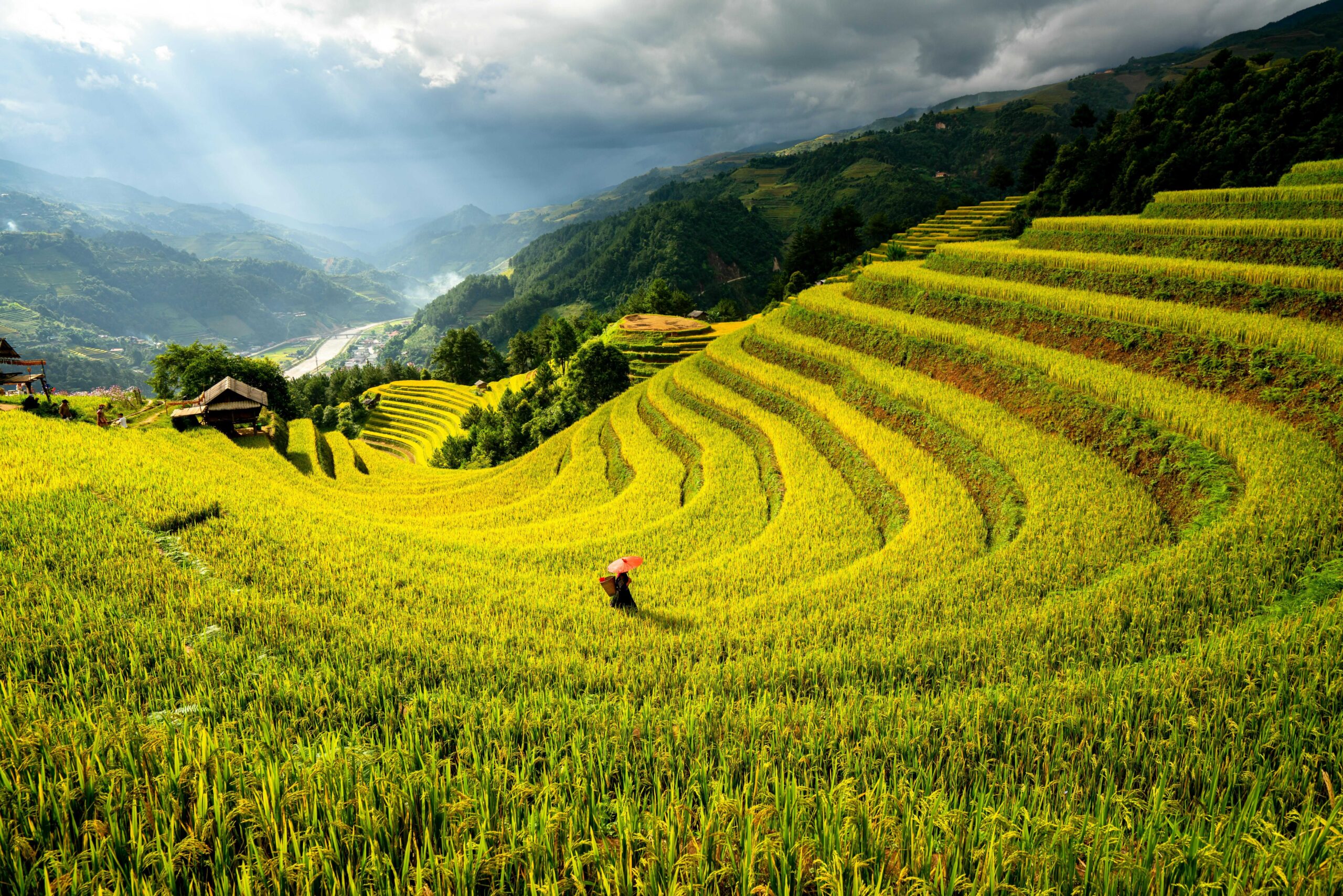
Understanding Ha Giang requires understanding the geology. This is a “rock plateau” where locals farm corn in pockets of soil wedged between jagged limestone pinnacles. Life here is hard. Water is scarce in the dry season, the winters are freezing, and the terrain makes infrastructure development a nightmare. This harshness has preserved cultures and landscapes that feel ancient and untouched, though rapid tourism development is now testing that resilience.
The Dong Van Karst Plateau (UNESCO Geopark)
Covering four districts (Quan Ba, Yen Minh, Dong Van, Meo Vac), this UNESCO-recognized park is the core of the Ha Giang experience. 60% of the surface is limestone, created 400-600 million years ago. The landscape is alien—seas of black rock stretching to the horizon.
The Loop Highlights
The classic route is a loop starting and ending in Ha Giang City, typically taking 3-4 days.
Quan Ba (Heaven’s Gate): The entry point to the plateau. The road climbs steeply to a pass often shrouded in mist. Looking down, you see the “Twin Mountains” (Fairy Bosom) and the town of Tam Son. It is the first taste of the scale of the landscape.
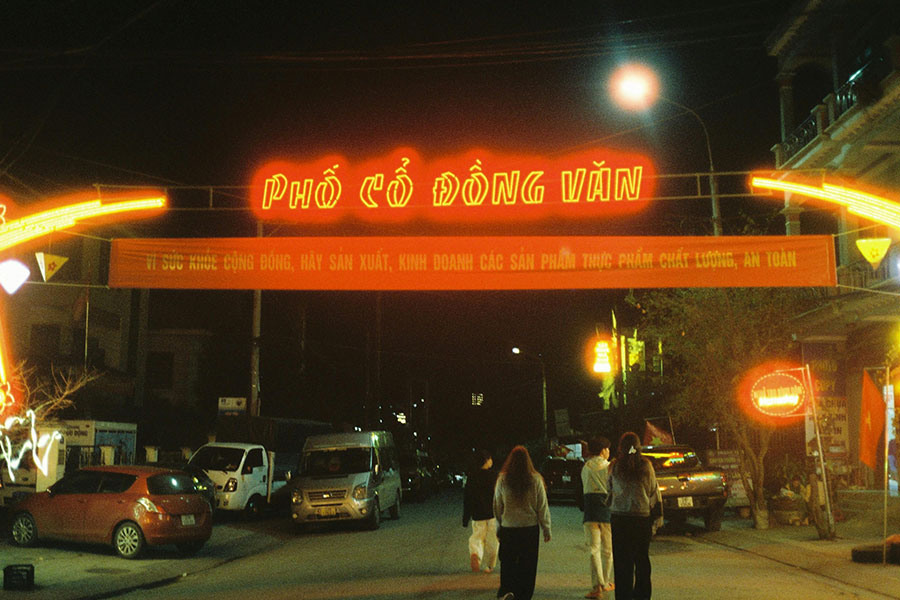
Dong Van Town: The tourist hub of the plateau. The “Old Quarter” consists of a few dozen Chinese-style houses made of rammed earth with yin-yang tile roofs, some over a century old. It is atmospheric but increasingly commercialized, packed with cafes and souvenir shops.
Lung Cu Flag Tower: The northernmost point of Vietnam. A massive tower marks the border, visible across to China. It is highly symbolic for Vietnamese domestic tourists (national sovereignty). The climb offers 360-degree views, though the site itself is often crowded and kitschy.
Ma Pi Leng Pass: This is the reason people come. A 20-kilometer stretch of road carved into the side of a cliff connecting Dong Van and Meo Vac. It is terrifying and magnificent. The road hangs 800-1,200 meters above the Nho Que River. The scale is impossible to capture in photos. It is arguably the single most impressive viewpoint in Vietnam.
The Nho Que River: Formerly just a view from above, a dam has tamed the river, allowing boat tours through the Tu San Alley (the deepest canyon in Southeast Asia). It is scenic, though the hike down to the boats and back up is steep, and the experience can feel like a tourist conveyor belt during peak season.
The Cultural Context
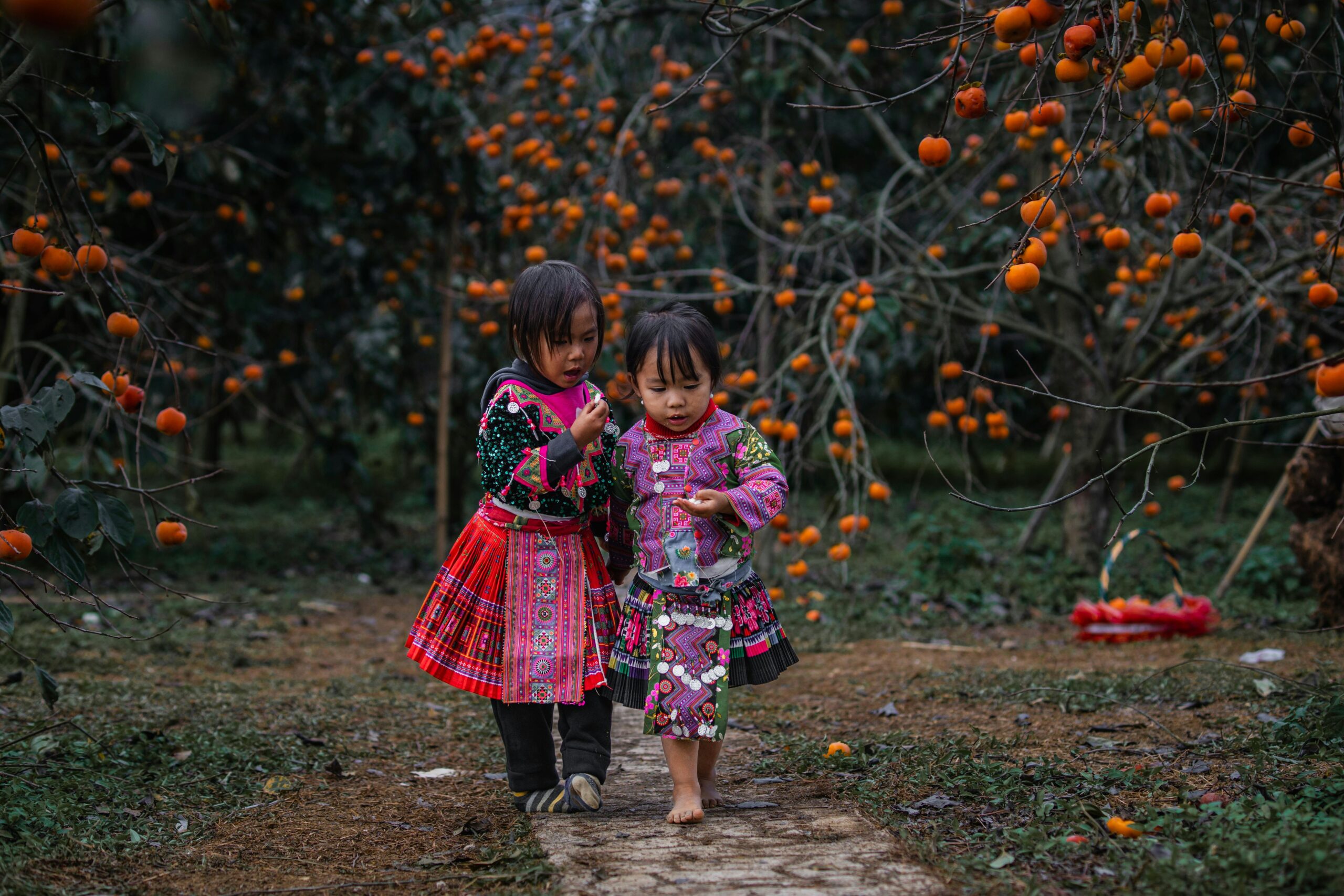
Ha Giang is the most ethnically diverse province in Vietnam. The Hmong are the dominant group here, specifically the White Hmong and Flower Hmong. You will also see Dao, Tay, Lo Lo, and Giay communities.
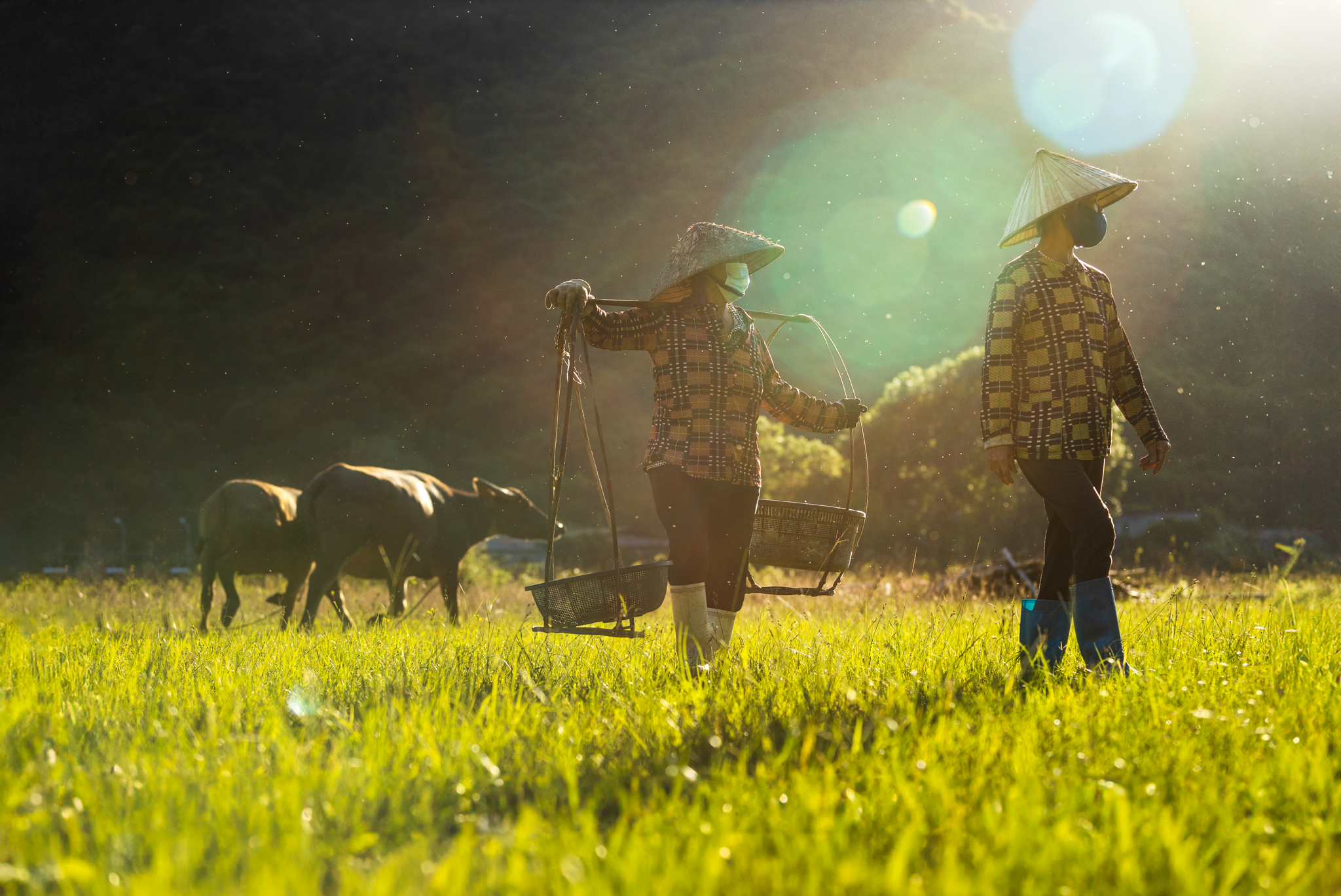
Unlike in tourist centers where “culture” is often a performance, here you see daily life: men carrying impossible loads of fodder on their backs, women planting corn on 60-degree slopes, and markets that trade buffalo and hemp rather than trinkets.
Meo Vac Market (Sunday): The largest minority market in the region. It is chaotic, muddy, and genuine. Thousands of Hmong descend from the mountains to trade cattle, drink corn wine, and socialize. It is a photographer’s dream but requires respect—do not treat locals like zoo exhibits. Ask before shooting close-ups.
The War Legacy
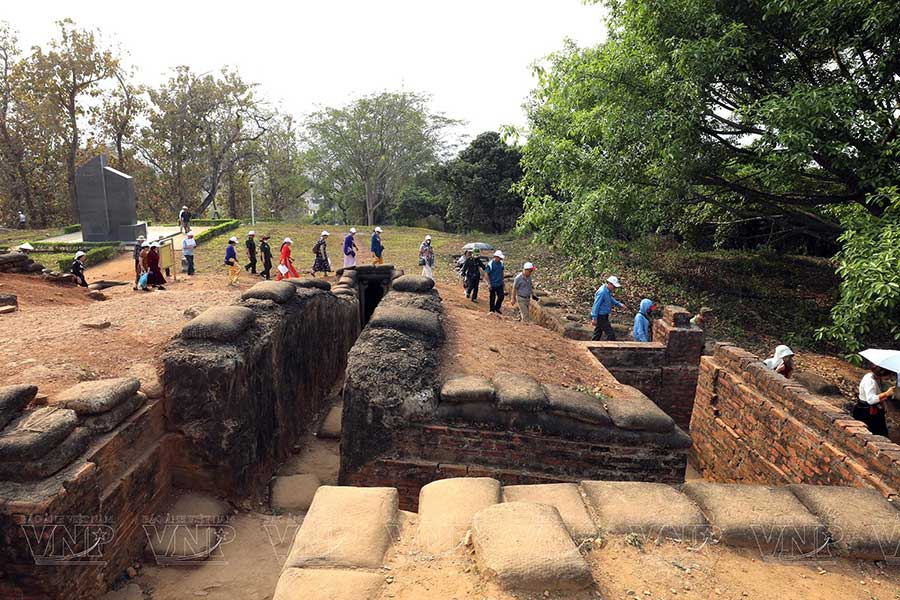
While the American War (Vietnam War) is the focus elsewhere, Ha Giang was the frontline of the 1979 Sino-Vietnamese War and border conflicts that lasted until the late 1980s. The Vi Xuyen National Cemetery near Ha Giang City holds thousands of graves from this conflict. While less visited by Westerners, understanding this recent, bloody border history explains the heavy military presence and the “frontier” atmosphere.
Ha Giang City
The city is “Mile Zero” (Km 0). It is a functional logistics hub on the Lo River, not a destination. It has ATMs, bus stations, motorbike rental shops, and repair garages. Most travelers arrive here, sleep one night, rent a bike, and leave immediately for the plateau.
Where to Stay
Accommodation has improved drastically but remains rustic compared to Hanoi or Hoi An.
Homestays (Generic): Every village now has “homestays.” In reality, most are guesthouses run by local families. Communal dinners with “Happy Water” (corn wine) are standard.
-
Nam Dam Village (Quan Ba): excellent Dao minority homestays. Mud-walled houses, very authentic.
-
Lo Lo Chai (Lung Cu): Located right at the foot of the flag tower. Run by the Lo Lo minority. Very distinctive architecture.
Hotels:
- Hoa Cuong Hotel (Dong Van/Meo Vac): Large, concrete blocks catering to domestic tour groups. Functional, loud, clean enough.
Getting There & Around
This is the biggest hurdle. Ha Giang is far.
Hanoi to Ha Giang City: 300km, roughly 6-7 hours.
-
Limousine Van: The best option. Comfortable seats, faster than buses. ($15-20 USD).
-
Private Vehicle: most convenient.
The Loop (Transport):
-
Self-driving (Motorbike): Only for experienced riders. The roads are winding, narrow, and often under repair. Trucks take wide turns. Police strictly enforce International Driving Permits (IDP) with a motorcycle endorsement. If you don’t have a valid license, you risk fines and bike confiscation.
-
Easy Rider: You sit on the back of a bike driven by a local guide. This is the safest way to see the views without the stress of navigating dangerous curves.
-
Private Car: You feel more detached from the landscape than on a bike but it is comfortable and you can stop along the route anytime to capture spectacular landscapes.
When to Go
October – November: Buckwheat Flower Season. The signature time. The rocky plateau turns pink/purple with flowers. Weather is cool and dry. Cons: Extremely crowded. Accommodation sells out weeks in advance.
March – April: Spring. Peach and plum blossoms. Warmer, pleasant.
June – September: Rainy season. Avoid if possible. Landslides are common and can block roads for days. The views are often obscured by clouds/fog. The Nho Que river turns brown.
December – January: Winter. It gets bitterly cold (near freezing), and houses lack heating. Thick fog is common. Only for the hardy.
Planning Your Time
Minimum (3 Days, 2 Nights):
-
Day 1: Ha Giang City -> Quan Ba -> Yen Minh -> Dong Van.
-
Day 2: Dong Van -> Ma Pi Leng Pass -> Meo Vac -> Mau Due.
-
Day 3: Mau Due -> Du Gia -> Ha Giang City.
-
Note: This is a “driving all day” itinerary. You will be exhausted.
Better (4 Days, 3 Nights):
-
Adds a stop in Du Gia, a beautiful village with a waterfall, allowing you to break up the return journey and actually relax.
The Reality
Ha Giang is not a relaxing holiday. It is an endurance test. The roads are dangerous—tourists die or suffer serious injuries here every month. The “homestays” often have thin mattresses and rooster wake-up calls at 4 AM. The food is basic (lots of tofu, pork, and boiled greens).
Furthermore, the “Instagram effect” is hitting hard. Construction is rampant. Some viewpoints are now marred by concrete platforms and coffee shops blasting loud music.
But, when you are on the Ma Pi Leng Pass, looking down at the Nho Que River with the wind in your face, the discomfort becomes irrelevant. It is raw, majestic, and completely overwhelming. We recommend Ha Giang only to clients who are physically fit, comfortable with long transit times, and seeking genuine adventure over luxury. If you need a pool and a cocktail at sunset, go to Hoi An. If you want to see the bones of the earth and the limits of human resilience, go to Ha Giang.
TOURS INCLUDE Ha Giang

 7 DAYS

OTHER DESTINATIONS







What customers say about us
VIDEO TESTIMONIALS
Robert
 ITALY
ITALY
 2019
2019
 REQUEST A FREE QUOTE