Bac Son
Bac Son: Vietnam’s Hidden Valley
Bac Son sits in Lang Son Province, roughly 160 kilometers north of Hanoi near the Chinese border. This agricultural valley is one of northern Vietnam’s most photogenic landscapes: limestone karsts rising from rice fields, morning mist, and virtually no tourist infrastructure. Most travelers have never heard of it. That’s exactly why it matters.
The Landscape
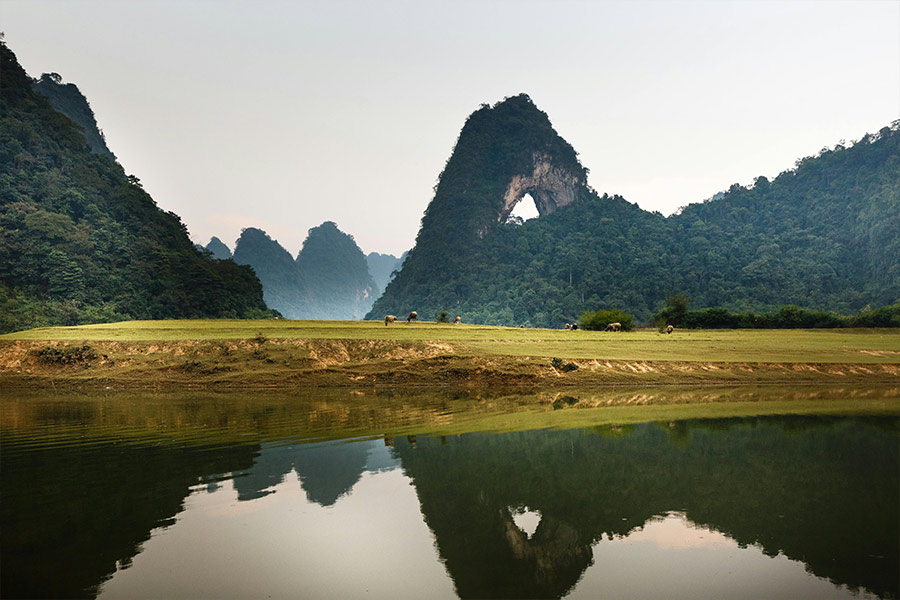
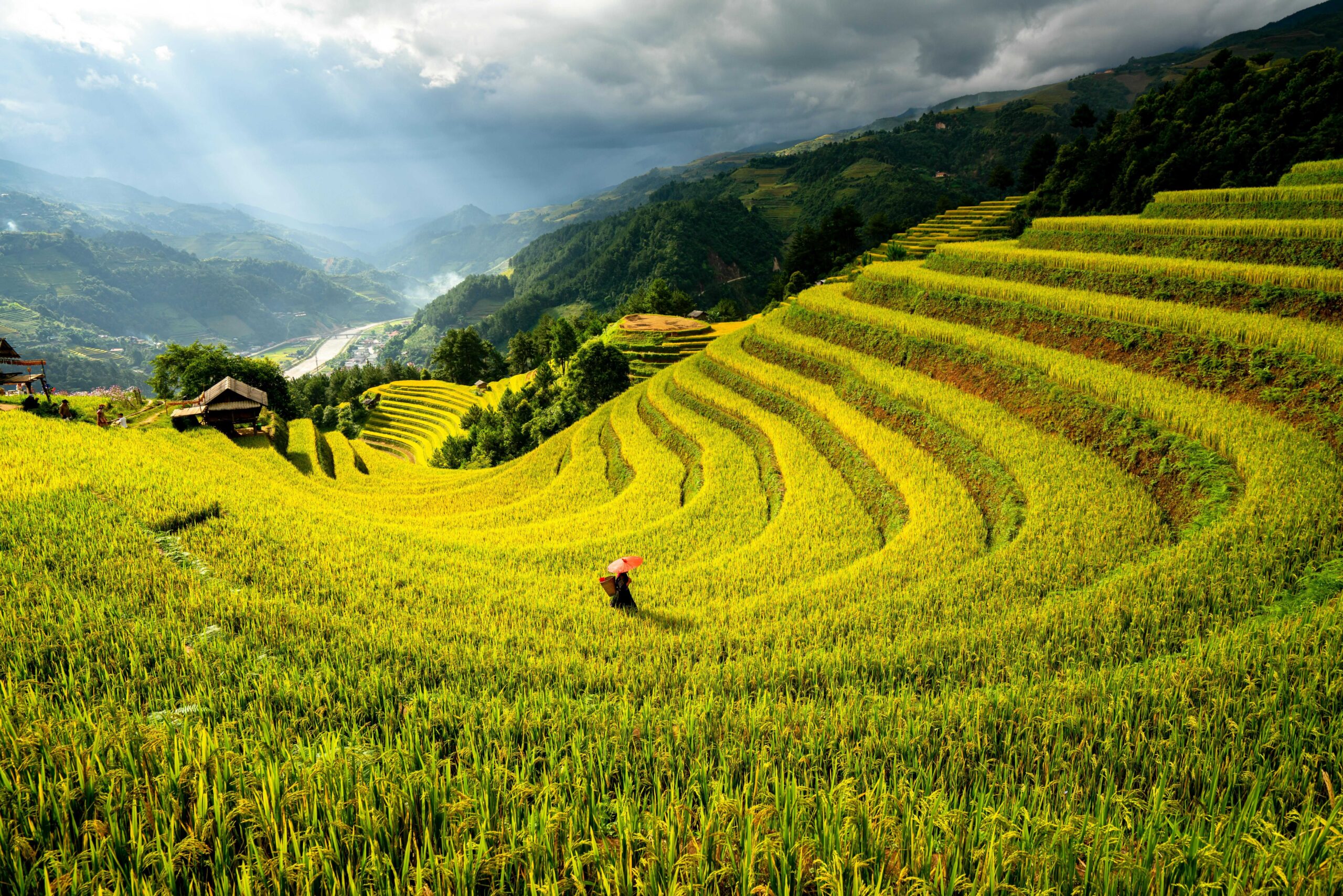
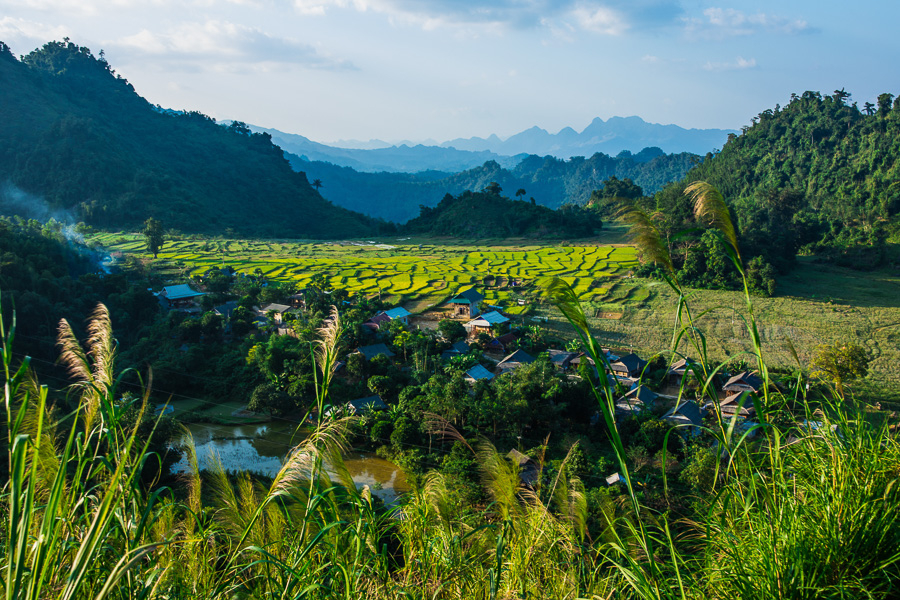
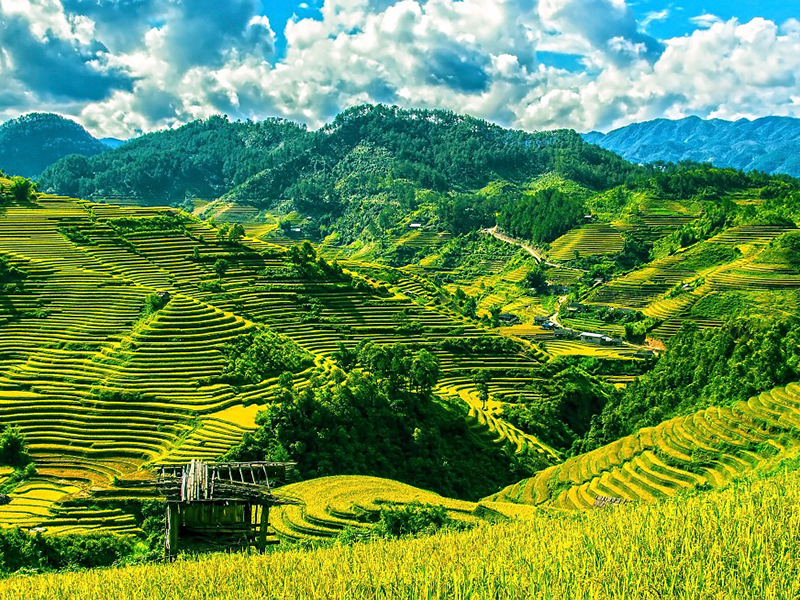
The valley stretches about 30 kilometers, surrounded by dramatic limestone mountains. Rice terraces cover the valley floor in geometric patterns that change color with the seasons: bright green after planting, golden before harvest, brown and flooded after cutting.
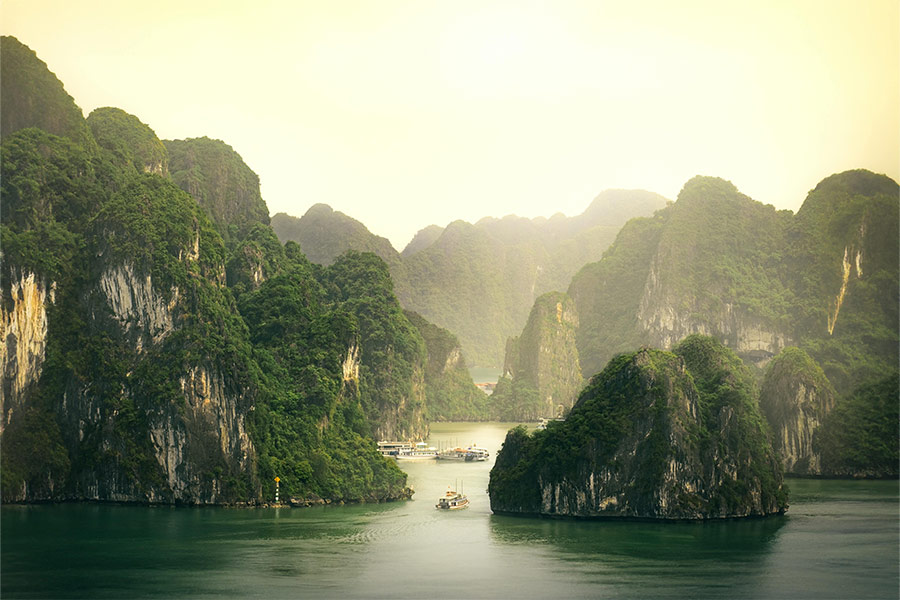
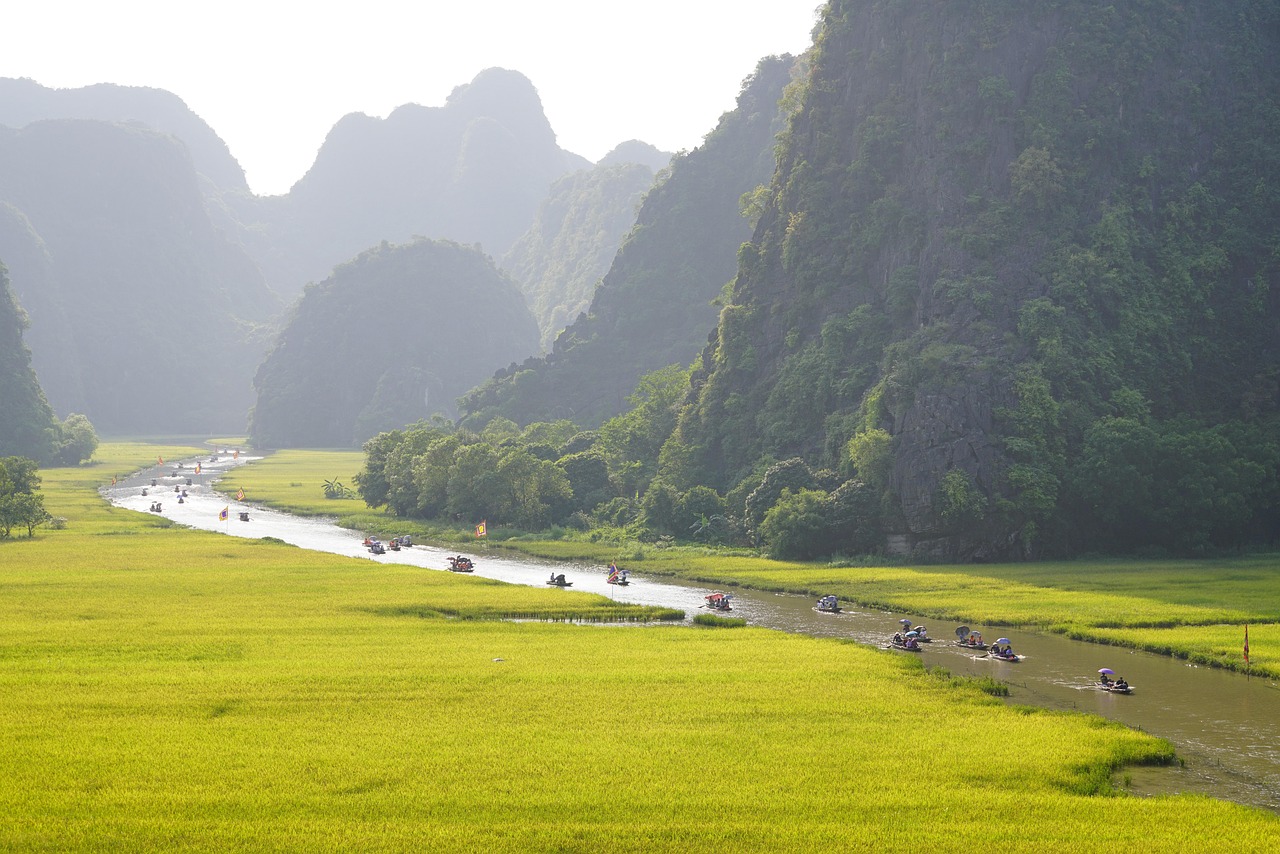
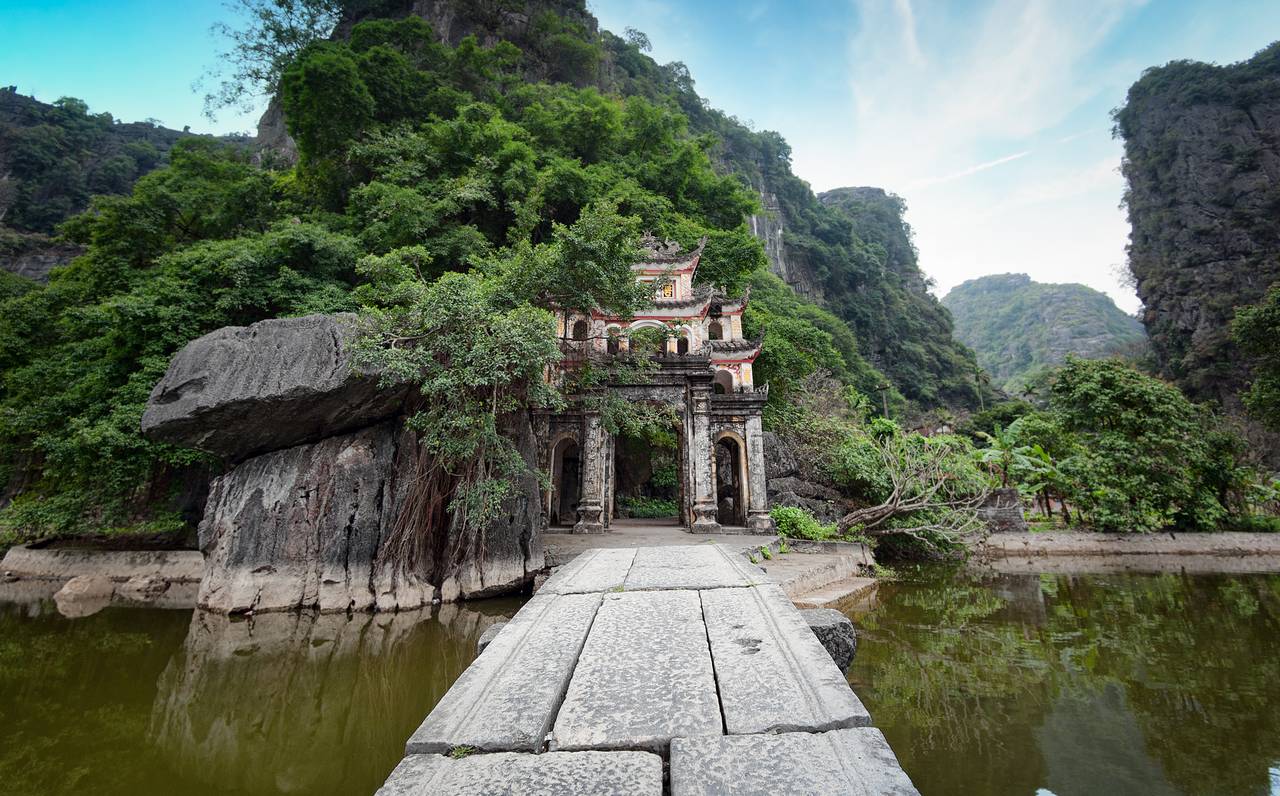
The karst formations here rival those around Ninh Binh or Halong Bay, but you’ll see them rising from working farmland rather than water or developed tourist areas. Early morning, when mist settles in the valley and catches first light, creates conditions photographers chase.
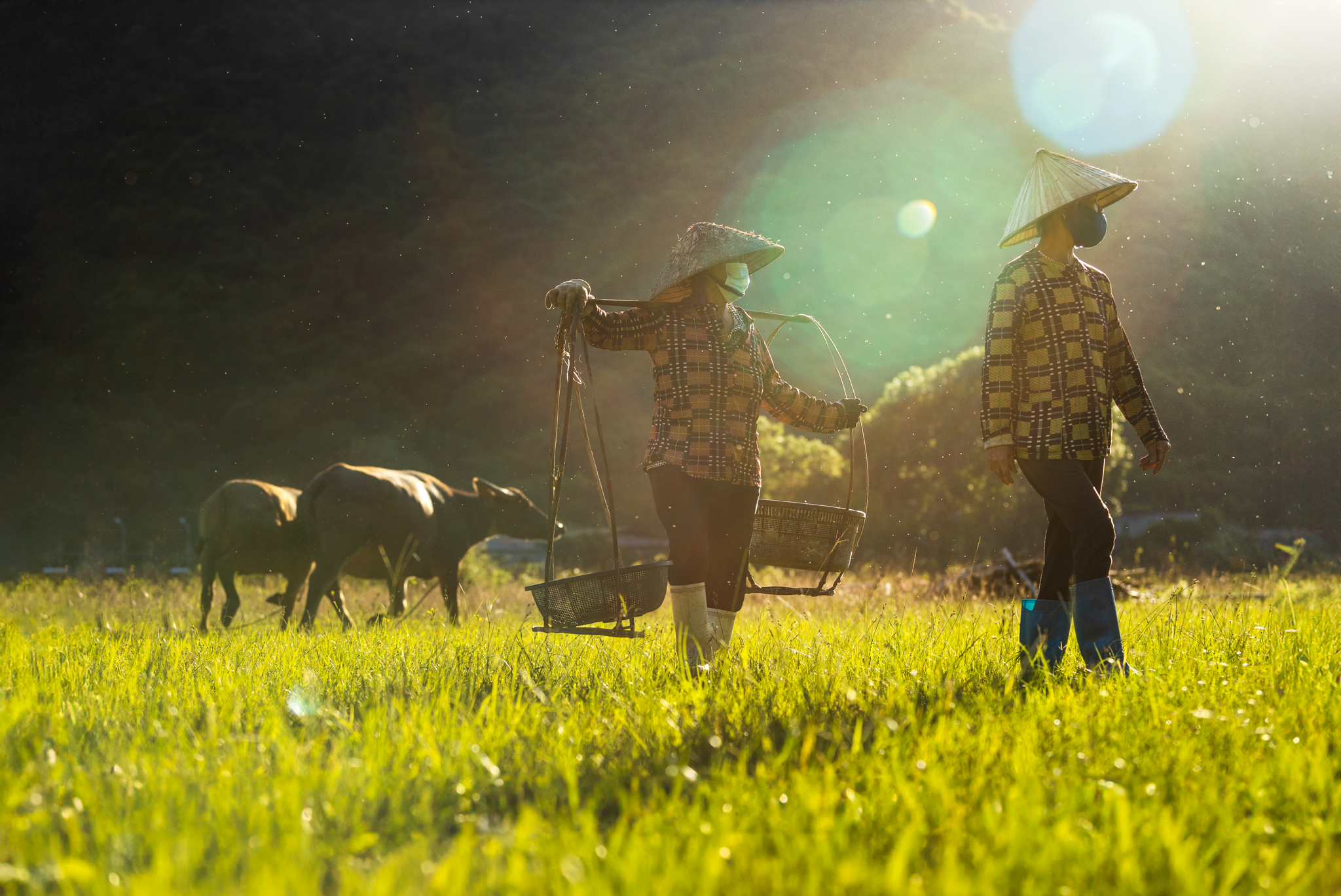
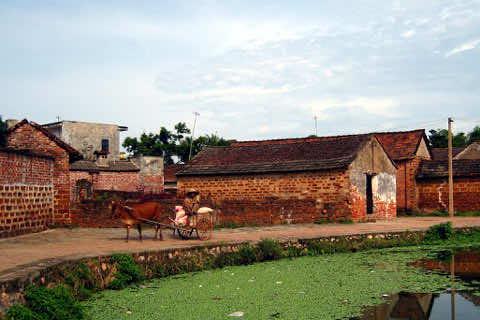
This is authentic rural Vietnam. Farmers working fields, buffalo grazing, villages connected by dirt roads. Development here means basic guesthouses and family restaurants, not resorts or tour infrastructure.
Na Lay Village Viewpoint
The primary reason people come to Bac Son is the viewpoint above Na Lay village. It’s a steep climb, roughly 1,000 steps up the mountainside, taking 30-45 minutes depending on fitness.
At the top, you get panoramic views across the entire valley. The perspective shows the scale: rice fields stretching to distant mountains, the pattern of terraces, villages scattered below.
Sunrise is ideal. You’ll need to start climbing in darkness (around 5:00-5:30 AM depending on season) to reach the top before dawn. Bring a headlamp or flashlight. The effort pays off when morning light hits the mist-filled valley.
The viewpoint has a small platform and basic shelter. Expect other photographers if you’re there at sunrise, but numbers are still small, usually under 20 people even during peak season.
Rice Season Timing
The valley’s appearance changes dramatically with rice cultivation cycles.
May through June: Planting season. Fields are flooded and bright green with young rice. The water reflects sky and mountains.
July through September: Growing season. Rice is tall and lush, deep green covering the valley.
Late September through October: Harvest season. Rice turns golden yellow before cutting. This is the most photographed period and when the valley looks most dramatic.
November through April: Post-harvest. Fields are brown, flooded, or being prepared for next planting. Still beautiful but less colorful.
Plan your visit based on what you want to photograph or experience. Golden harvest season attracts the most visitors but delivers the most striking visuals.
What Else to Do
Beyond the viewpoint, options are limited, which is part of Bac Son’s appeal.
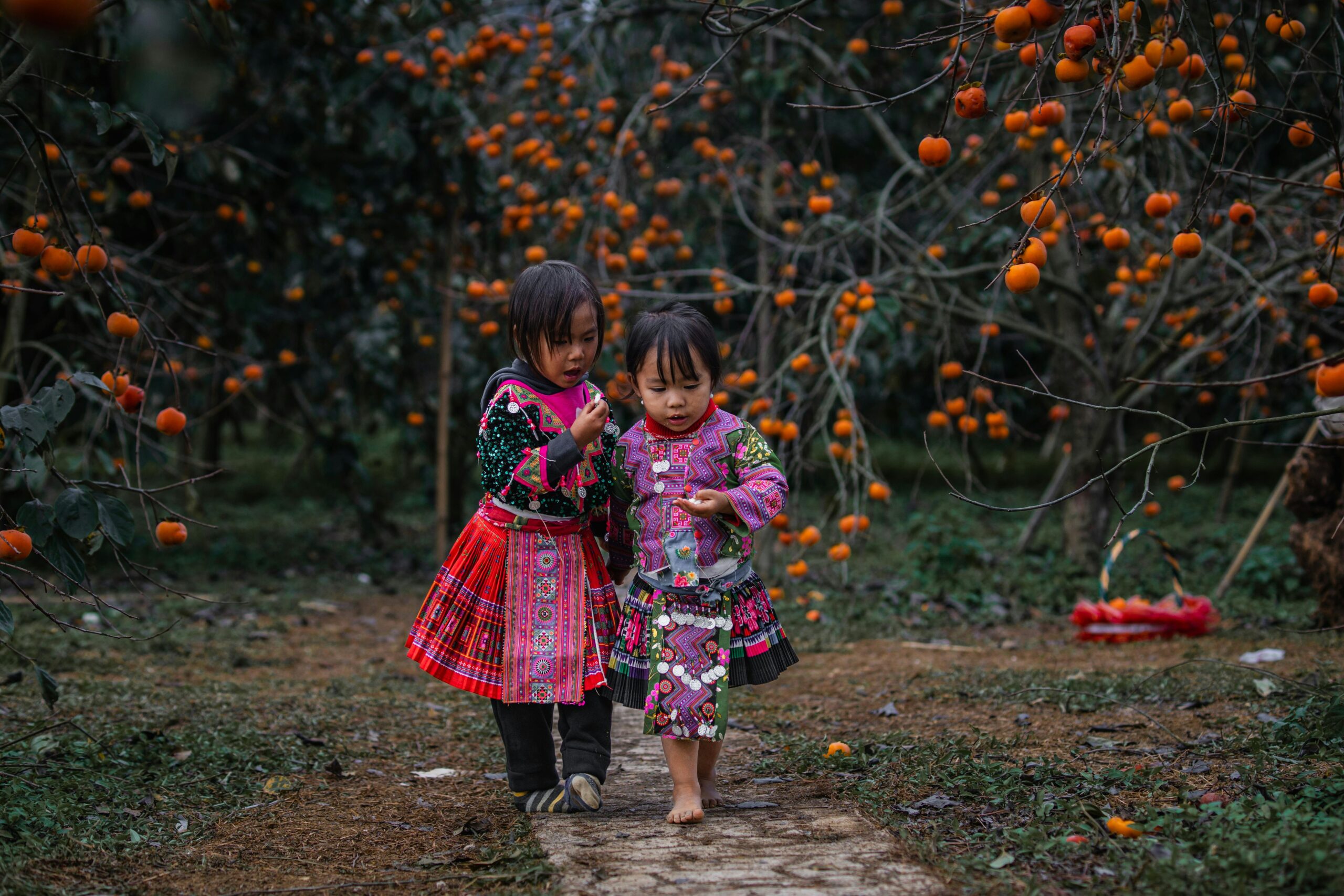
Walk or cycle through villages and rice fields. There are no marked routes, just paths and small roads connecting communities. You’ll encounter farmers, children, and daily rural life without tourist performance.
Visit local markets if timing works. These are genuine working markets where minority groups (Tay and Nung people) trade produce and goods. No handicrafts aimed at tourists.
Explore smaller viewpoints and hills around the valley. Local guesthouses can suggest routes less crowded than Na Lay.
That’s essentially it. Bac Son isn’t about activities or attractions. It’s about landscape, photography, and experiencing rural Vietnam before tourism changes it.
Where to Stay
Accommodation options are basic homestays and simple guesthouses in Na Lay village or nearby communities.
Rooms are clean but minimal: bed, mosquito net, shared or private bathroom with cold or lukewarm water. Don’t expect hot showers, WiFi reliability, or English-speaking staff.
Meals are included, served family-style: rice, vegetables, local dishes. The food is simple, fresh, and gives you insight into daily eating in rural Vietnam.
Staying in Na Lay puts you closest to the main viewpoint, which matters for predawn climbs.
We work with specific families we’ve vetted for cleanliness and hospitality. Booking directly without local contacts can be hit or miss.
Getting There
Bac Son is remote. Getting there requires commitment.
From Hanoi by car: 4-5 hours depending on traffic leaving the city. The road is decent but winding through mountains.
We arrange private transfers for clients. The driver will know the route and can stop at viewpoints or markets along the way.
Most visitors combine Bac Son with Ba Be Lake (2-3 hours further north) or Cao Bang Province. A loop through northern Vietnam makes more sense than Bac Son as a standalone destination.
Planning Your Time
Two days, one night is standard. Arrive afternoon, settle in, explore the valley. Wake predawn for sunrise at the viewpoint. Spend the morning in the valley, then depart after lunch.
Three days works if you want slower pace or to explore more thoroughly.
One night is technically possible if you arrive early and leave late, but it feels rushed given the travel distance.
When to Go
September through November is peak season, especially late September and October for golden rice. The valley is at its most beautiful, but you’ll encounter more visitors (though “more” still means relatively few).
May through June offers green rice and fewer people.
December through February is cool and can be misty. The landscape is less colorful post-harvest, but atmospheric conditions can be spectacular.
March and April are transitional, fields being prepared for planting.
Avoid July and August if possible. Heavy rain, leeches, and muddy conditions make hiking and photography difficult.
The Reality
Bac Son is not comfortable or convenient. The accommodations are basic, the food is simple, and getting there takes significant time from Hanoi.
But for travelers who want to see Vietnam beyond the tourist circuit, who value landscapes and authenticity over amenities, Bac Son delivers something increasingly rare.
We send clients here who’ve specifically asked for off-the-beaten-path experiences, who are comfortable with basic conditions, and who understand they’re visiting a working agricultural valley, not a developed tourist destination.
The valley won’t stay undiscovered forever. Tourism is slowly increasing. Local families are building more guesthouses. But for now, Bac Son remains what Sapa was 20 years ago: genuinely remote, authentically rural, and spectacularly beautiful.
Go soon, go with appropriate expectations, and be prepared for basic conditions. What you get in return is access to landscapes and communities that most visitors to Vietnam never experience.
TOURS INCLUDE Bac Son
OTHER DESTINATIONS







What customers say about us
VIDEO TESTIMONIALS
Robert
 ITALY
ITALY
 2019
2019
 REQUEST A FREE QUOTE