Ben Tre
Ben Tre: The Coconut Kingdom
Ben Tre sits 80 kilometers southwest of Ho Chi Minh City where the Mekong River splits into multiple channels. This province is the Mekong Delta’s coconut capital: millions of coconut palms covering the landscape, coconut products driving the local economy, and coconut trees visible in every direction. While neighboring provinces have embraced mass tourism, Ben Tre remains relatively low-key, offering genuine delta experiences without the crowds and theater that plague places like Cai Be.
Why Ben Tre Works
Ben Tre feels like working delta rather than tourist delta. The economy runs on coconuts, rice, and fruit production, not tour buses. Tourism exists but stays secondary to agriculture and small industry.
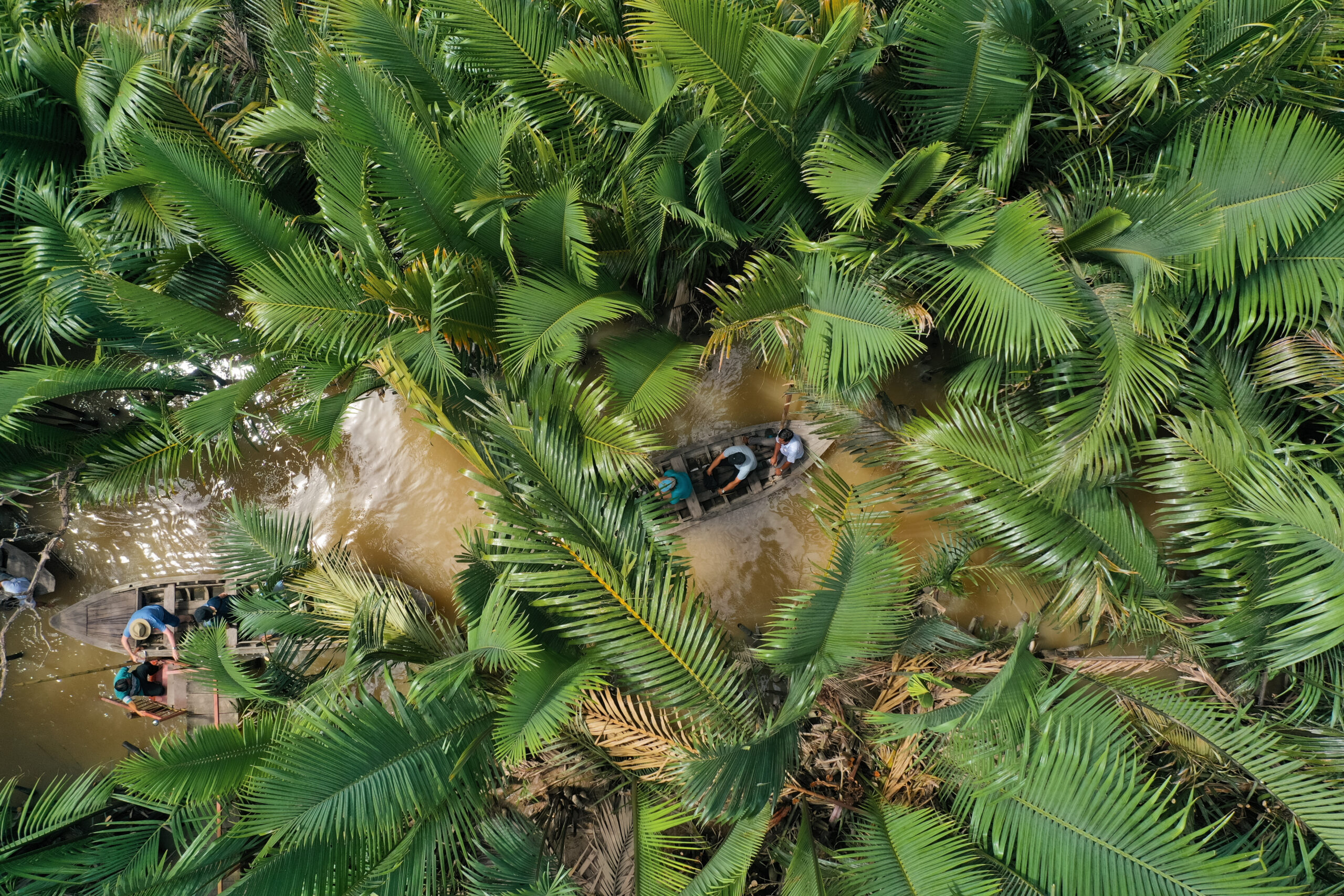
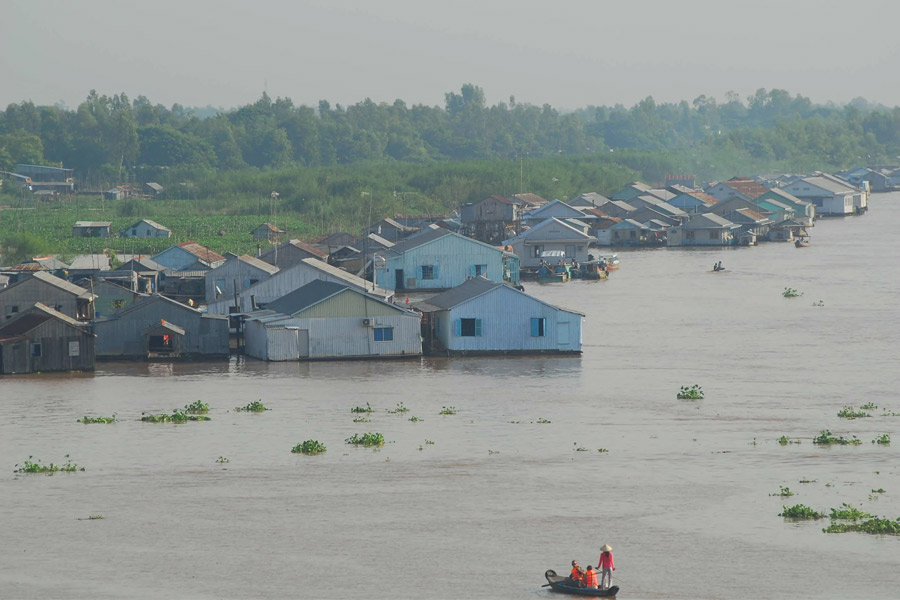
The landscape is quintessentially Mekong: narrow canals lined with coconut palms, small bridges connecting communities, boats as common as motorbikes, and houses built to live with water rather than fight it.
What makes Ben Tre appealing is accessibility combined with authenticity. It’s close enough to Ho Chi Minh City for easy day trips but hasn’t been overrun. You can cycle through villages, boat through canals, visit workshops producing coconut products, and experience delta life that feels genuine rather than performed.
The Coconut Industry
Everything coconut happens in Ben Tre. Coconut candy production employs thousands. Small family workshops and larger factories both operate, creating the chewy candy sold across Vietnam.
Visiting workshops shows the process: coconut milk extracted, sugar added, mixture cooked in massive woks, then hand-pulled and cut while still warm. The work is hot, repetitive, and labor-intensive. Workers move with practiced efficiency.
These visits aren’t staged demonstrations. Production happens whether tourists are present or not. You’re observing actual manufacturing, and the candy you taste is what locals buy daily.
Coconut oil, desiccated coconut, coconut fiber for rope and mats, and carved coconut shell products all come from Ben Tre’s workshops. The utilization of every part of the coconut is impressive.
Canals and Cycling
Ben Tre’s real appeal is exploring by bicycle or small boat through the network of canals and villages.
Cycling routes follow narrow concrete paths between coconut groves and rice fields. You’ll cross monkey bridges (single-log crossings that locals navigate effortlessly while tourists wobble uncertainly), pass through villages where children wave and elderly residents watch from porches, and stop at family workshops or orchards spontaneously.
The terrain is completely flat. Even inexperienced cyclists manage easily. Distances between points of interest are manageable: 5-15 kilometers typically covers a good route.
Several tour operators offer guided cycling tours with quality bikes, knowledgeable guides, and logical routes. These work well for first-time visitors who want structure. Independent cyclists can rent bikes in Ben Tre town and create their own routes, though navigation requires attention without clear signage.
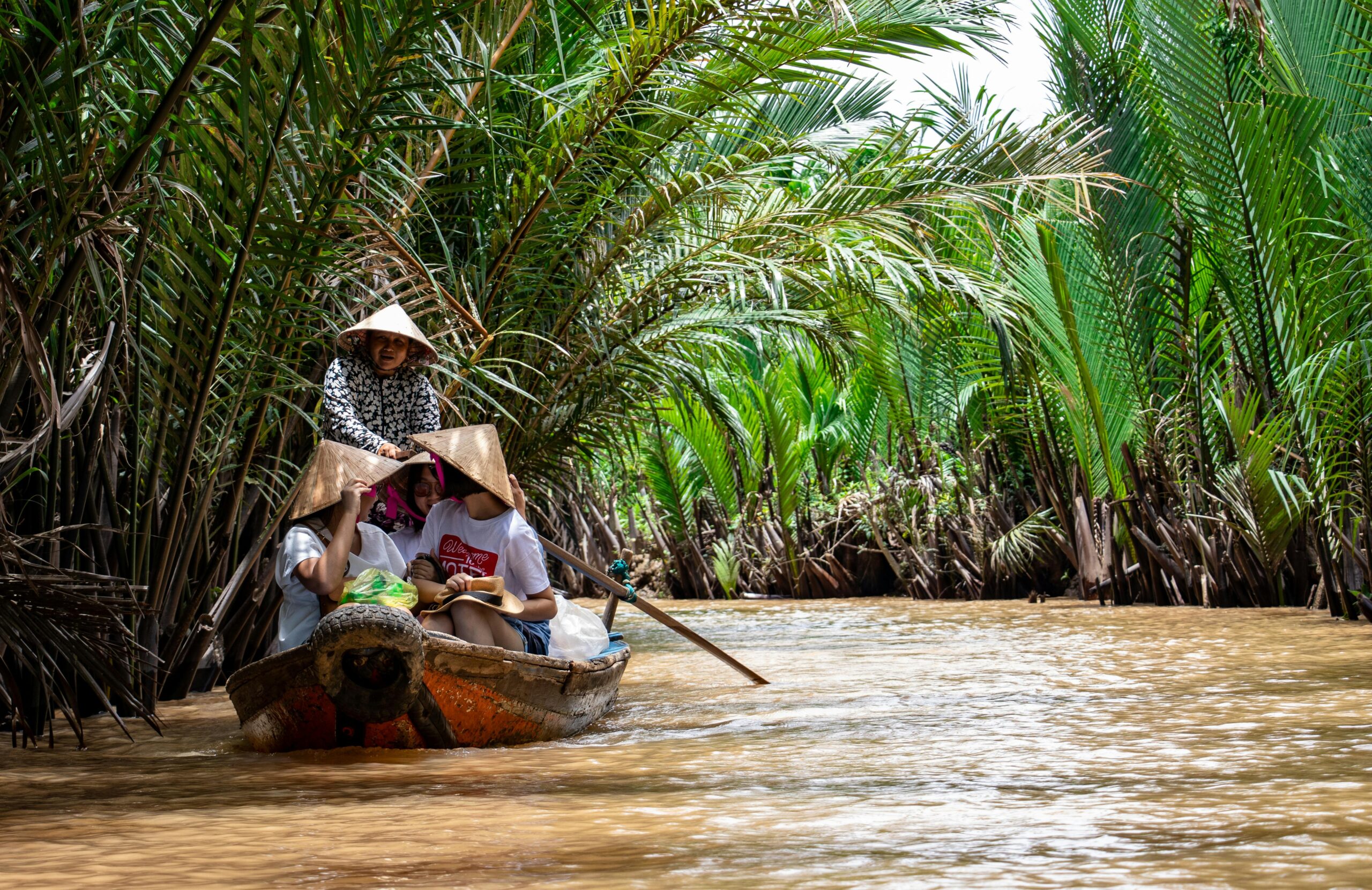
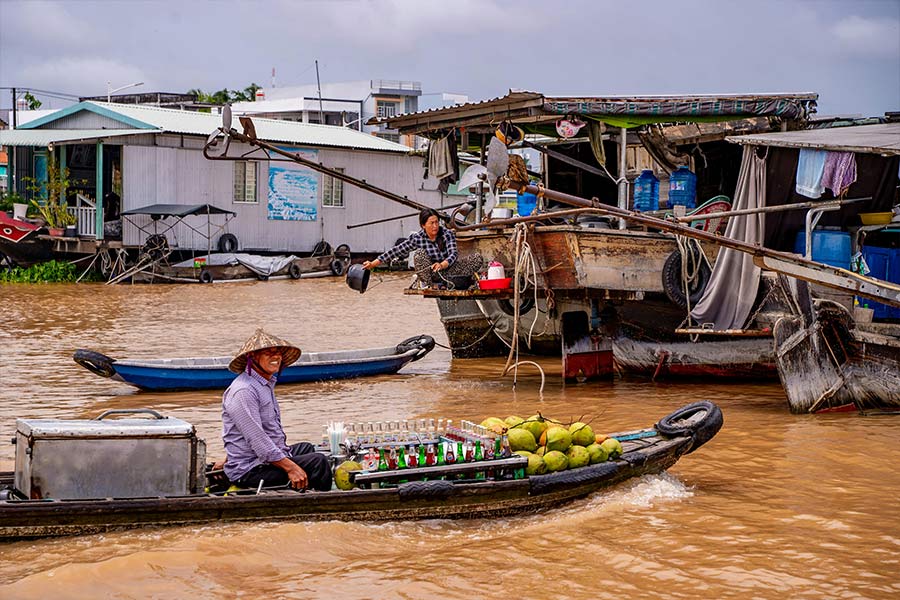
Boat trips through narrow canals access areas unreachable by road. Small motorized boats navigate channels barely wider than the vessel, passing under low bridges and between houses built right to the water’s edge. It’s peaceful, scenic, and shows how communities function when water is the primary highway.
Vam Ho Bird Sanctuary
This protected area sits about 15 kilometers from Ben Tre town in a mangrove forest along the Ham Luong River. Thousands of storks, herons, and egrets nest here, creating one of the delta’s most impressive bird colonies.
Visit late afternoon as birds return to roost. The sky fills with white wings as flocks circle before settling into trees for the night. The noise is extraordinary: thousands of birds calling simultaneously.
Boat access through mangrove channels takes you close to nesting areas without disturbing the colony. Bring binoculars for better viewing. The spectacle peaks December through June during breeding season.
Entry costs around 20,000 VND plus boat fees. It’s off most tour circuits, so you’ll often have the sanctuary largely to yourself.
Coconut Religion
The Coconut Monk’s island (Con Phung, also called Phoenix Island) sits in the Tien River between Ben Tre and Vinh Long. This eccentric religious site was founded by Nguyen Thanh Nam in the 1940s. He practiced meditation on a coconut diet (hence the name) and created a unique religion blending Buddhism, Christianity, and Vietnamese folk beliefs.
The island contains bizarre religious structures: dragon-wrapped pillars, a rocket-shaped tower, bizarre statues, and colorful mosaics. It’s surreal, slightly unsettling, and completely unique.
The Coconut Monk died in 1990. The site has been partially restored and functions as both active religious site and curiosity. The architecture is genuinely strange and photogenic in an odd way.
Boat access is required. Most tours passing through the area include a brief stop. Entry costs around 10,000 VND.
Ben Tre Town
The provincial capital is small, functional, and pleasant without being particularly charming. The riverside promenade is nice for evening walks. A few decent restaurants serve local specialties.
Ben Tre Market operates daily, primarily serving locals rather than tourists. It’s worth walking through for produce displays, food stalls, and observing daily commerce.
The town isn’t a destination itself but serves as a practical base with hotels, restaurants, ATMs, and transport connections.
Local Specialties
Coconut candy is unavoidable and actually good when fresh. Buy directly from workshops for better quality than packaged versions in tourist shops.
Keo dua (coconut candy) comes in various flavors: plain, durian, chocolate, peanut. Plain is best for tasting actual coconut.
Coconut wine (ruou dua) is distilled locally. It’s potent, smooth when done well, and available from producers or markets.
Hu tieu Ben Tre is the local noodle soup variation: clear broth, pork, seafood, fresh herbs. Several restaurants in town specialize in it.
Fresh coconut juice, obviously abundant, is served directly from young green coconuts everywhere.
Where to Stay
Where to Stay
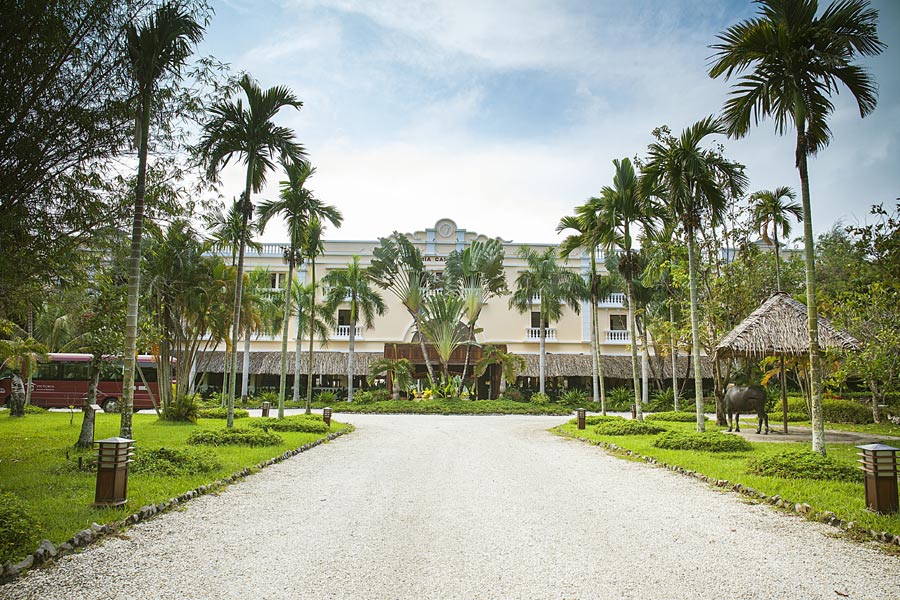
Ben Tre town has several adequate hotels. Hung Vuong Hotel and Ben Tre Riverside Resort are the better options: clean rooms, hot water, air conditioning, central locations.
Mango Home sits right on the canal about 5 kilometers from Ben Tre town center. This is an excellent boutique property run by a local family: beautifully designed rooms that blend traditional Vietnamese architecture with modern comfort, riverside setting surrounded by fruit orchards and coconut groves, and genuinely warm hospitality. The property itself is small and intimate, making it feel like staying with friends rather than checking into a hotel.
What sets Mango Home apart is their operation, Mango Boats, which offers some of the delta’s best small-group experiences. They run cycling and boat tours through lesser-known canals and villages, avoiding the standard tourist routes entirely. The guides are local, speak excellent English, and focus on authentic interactions rather than rushed photo stops. Their tours include visits to family workshops, time in local markets, proper meals with delta families, and exploration of narrow waterways that larger operators can’t access. It’s thoughtfully designed tourism that benefits local communities directly.
Mekong Ecolodge sits on a small island about 30 minutes by boat from Ben Tre town. This is an excellent mid-range property: comfortable bungalows, pool, riverside restaurant, and organized activities like cycling and cooking classes. It balances comfort with authentic delta setting well.
Homestays in villages around Ben Tre offer basic but genuine experiences. Standards vary significantly. We work with specific families we’ve vetted rather than arranging random homestays.
Can Tho (about 100 kilometers away) is a better base if you want higher-end accommodation and plan to explore multiple delta provinces.
Getting There
From Ho Chi Minh City: 80 kilometers, roughly 2-2.5 hours by road depending on traffic.
Private car gives flexibility and comfort. We arrange these for clients building delta itineraries that include Ben Tre.
Many travelers visit Ben Tre as part of multi-day Mekong tours that include several provinces. This makes logistical sense and provides context across the delta.
When to Go
The delta’s dry season (November-April) offers better cycling and boat conditions. Less rain, clearer skies, and more comfortable temperatures.
Wet season (May-October) brings afternoon storms and humidity. Everything is greener and the landscape is lush, but outdoor activities are less pleasant.
Fruit season peaks March through June, with longan, rambutan, and durian all available depending on exact timing.
The bird sanctuary is best December through June during breeding season.
Planning Your Time
One full day from Ho Chi Minh City works as a day trip: morning departure, cycling or boat tour through canals and villages, workshop visits, lunch in the area, return evening.
Two days and one night allows more thorough exploration, slower pace, and opportunity to experience the delta at dawn and dusk when light and activity are best.
Ben Tre combines well with other delta destinations: Cai Be/Vinh Long to the west, or as the first stop on a longer delta journey toward Can Tho.
The Reality
Ben Tre isn’t dramatic. There are no spectacular sights or must-see attractions. What it offers is access to working delta life: agriculture, small industry, canal communities, and landscapes shaped by water and coconuts.
We recommend Ben Tre to clients who want delta experiences without the tourist crowds of Can Tho or the manufactured atmosphere of Cai Be. It’s particularly good for cycling enthusiasts and travelers interested in agricultural tourism.
The province remains authentically focused on coconut production and farming rather than tourism. That makes it valuable for understanding how the delta actually functions economically and culturally.
Ben Tre works best for travelers who don’t need iconic sights or constant stimulation. If you can appreciate cycling through coconut groves, watching candy being made by hand, and exploring canals where tourism is occasional rather than constant, Ben Tre delivers something increasingly rare in Vietnam: accessible authenticity.
It won’t wow you with drama, but it rewards curiosity and provides genuine insight into Mekong Delta life. For the right travelers, that’s exactly what they’re looking for.
TOURS INCLUDE Ben Tre
 14 DAYS

OTHER DESTINATIONS



What customers say about us
VIDEO TESTIMONIALS
Robert
 ITALY
ITALY
 2019
2019
 REQUEST A FREE QUOTE