Bach Ma National Park
Bach Ma National Park: Central Vietnam’s Mountain Refuge
Bach Ma sits in the Annamite Mountains, roughly equidistant between Hue (40 kilometers) and Da Nang (65 kilometers). The park covers 220 square kilometers, rising from sea level to 1,450 meters at the summit. This dramatic elevation change creates multiple ecosystems within a compact area: coastal forest, montane rainforest, and cloud forest at higher altitudes.
Like Ba Na Hills, French colonials built a hill station here in the 1930s to escape coastal heat. Unlike Ba Na, Bach Ma was abandoned and left to nature. The ruins remain, but this is a national park focused on conservation and biodiversity rather than entertainment.
Why Bach Ma Matters
Bach Ma protects some of Vietnam’s most important remaining forest. The Annamite Mountains form a biodiversity hotspot, and Bach Ma sits at a critical junction where northern and southern species overlap.
The park records over 2,000 plant species, 132 mammals, and 358 bird species. Several are endemic or endangered: the saola (extremely rare), red-shanked douc langur, Edwards’s pheasant, and crested argus.
You won’t necessarily see these rare animals. Wildlife viewing requires patience, early starts, and luck. But knowing the forest supports such diversity makes walking through it more meaningful.
The Summit Road
A 19-kilometer road winds from park headquarters to the summit. It climbs 1,250 meters through tight switchbacks, originally built by the French using forced labor. The road is paved but narrow, with steep drop-offs and no guardrails in sections.
You can drive yourself (motorbike or car), hire a park vehicle, or arrange private transport. Motorbikes work but require confident riding skills given the gradients and conditions.
The drive takes 45-60 minutes. Stop at viewpoints along the way. On clear days, you’ll see Cau Hai Lagoon and the coast stretching toward Da Nang.
At the summit: the old French villas (now ruins), a helipad, and trails into the cloud forest. The temperature drops noticeably. Even when Hue or Da Nang are sweltering, the summit can be cool and misty.
The Trails
Do Quyen Waterfall Trail is the most popular: 689 steps down through forest to a beautiful waterfall and pool. The water is clean, cold, and swimmable. The descent takes 20-30 minutes. The climb back up is harder, especially in heat. Plan 1.5-2 hours total.
Summit Trail from the old helipad leads through pristine cloud forest. It’s about 1.5 kilometers but slow going given terrain and roots. The canopy is thick, moss covers everything, and if you’re quiet, you might hear gibbons calling. Allow 2 hours.
Ngu Ho (Five Lakes) Trail is longer and more challenging: roughly 16 kilometers return from park headquarters. The trail passes five cascading pools, each swimmable. This requires a full day and reasonable fitness. Hire a guide; the trail is poorly marked in sections.
Rhododendron Trail near the summit showcases the park’s rhododendron varieties. March through May, when they bloom, is ideal. It’s a short, easy walk (30 minutes) suitable for anyone.
Wildlife and Bird Watching
Early morning is critical. Start hiking at dawn when animals are most active. By mid-morning, the forest goes quiet.
Birds are easier to spot than mammals. Bring binoculars. The park’s bird list includes several sought-after species for serious birders: short-tailed scimitar babbler, grey-crowned crocias, annam partridge.
Langurs occasionally appear along the summit road or near the old villas. They’re habituated enough not to flee immediately but still wild.
Leeches are abundant during wet season (September through December). Wear long pants, closed shoes, and check yourself regularly. They’re annoying but harmless.
Practical Information
Park entrance costs 60,000 VND per person. Vehicle fees are additional (20,000-40,000 VND depending on type).
The park opens at 6:00 AM. Arrive early for wildlife viewing and to complete summit activities before afternoon heat or clouds roll in.
Bring water, snacks, and sun protection. There are no facilities beyond park headquarters.
Wear proper hiking shoes with grip. Trails are steep, often wet, and roots create trip hazards.
Swimming gear for Do Quyen Waterfall if you want to swim. The water is refreshing after the climb.
Where to Stay
Most visitors base in Hue or Da Nang and day-trip to Bach Ma. That works fine for seeing the main highlights.
The park operates basic guesthouses near headquarters. Rooms are simple, accommodation is clean, and staying overnight lets you start hiking at dawn when wildlife viewing is best. Book through park headquarters.
Lang Co town sits 20 kilometers north at sea level. Several beach resorts there offer more comfort. Angsana Lang Co and Vedana Lagoon Resort are the premium options.
Getting There
From Hue: 45 kilometers south, roughly 1.5 hours by road including the turnoff to park headquarters.
From Da Nang: 65 kilometers north over Hai Van Pass, about 2 hours.
The park entrance is off Highway 1A. Clear signage marks the turnoff, then it’s 3 kilometers to headquarters.
We arrange private cars with drivers familiar with the mountain roads. They’ll wait while you explore, then drive you back.
Motorbikes work if you’re confident riders. The Hai Van Pass and Bach Ma summit road both require skills and attention.
When to Go
February through May is ideal: dry weather, good visibility, rhododendrons blooming March-May.
June through August is hot at lower elevations but still pleasant on the summit. Occasional rain.
September through December brings heavy rain and leeches. Trails become slippery and muddy. Some paths close if conditions are dangerous. But the forest is lush, waterfalls are powerful, and you’ll have the park largely to yourself.
January can be cool and misty. Views are limited but the cloud forest atmosphere is evocative.
The Reality
Bach Ma doesn’t have Ba Na Hills’ infrastructure or spectacle. It’s not set up for casual tourists wanting easy experiences. The trails are steep, facilities are basic, and wildlife sightings aren’t guaranteed.
What it offers is legitimate mountain forest, genuine biodiversity, and the chance to experience central Vietnam’s natural environment rather than just its beaches and cultural sites.
We send clients to Bach Ma who specifically request nature, who enjoy hiking, or who want a break from Vietnam’s more developed attractions. It works particularly well combined with time in Hue or as a stop between Hue and Hoi An.
The park deserves half a day minimum, ideally a full day if you’re hiking Ngu Ho or spending serious time on trails. Anything less feels rushed given the travel time and the pace required for mountain hiking.
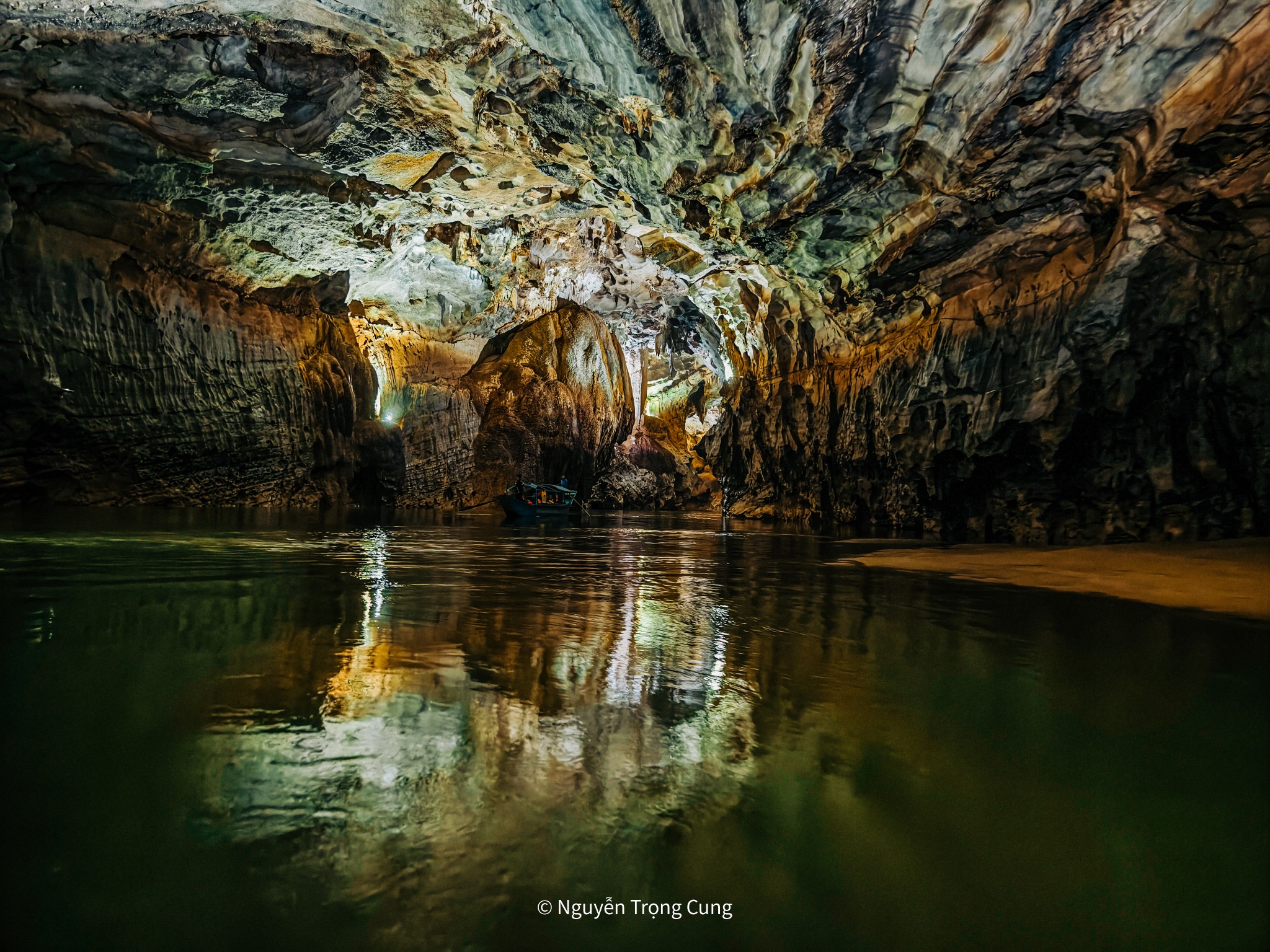
Bach Ma won’t wow you the way Phong Nha’s caves or Halong’s karsts do. Its appeal is quieter: walking through primary forest, swimming under waterfalls, experiencing Vietnam’s mountains without theme park development. For the right travelers, that’s exactly what they’re looking for.
TOURS INCLUDE Bach Ma National Park
OTHER DESTINATIONS





What customers say about us
VIDEO TESTIMONIALS
Robert
 ITALY
ITALY
 2019
2019
 REQUEST A FREE QUOTE